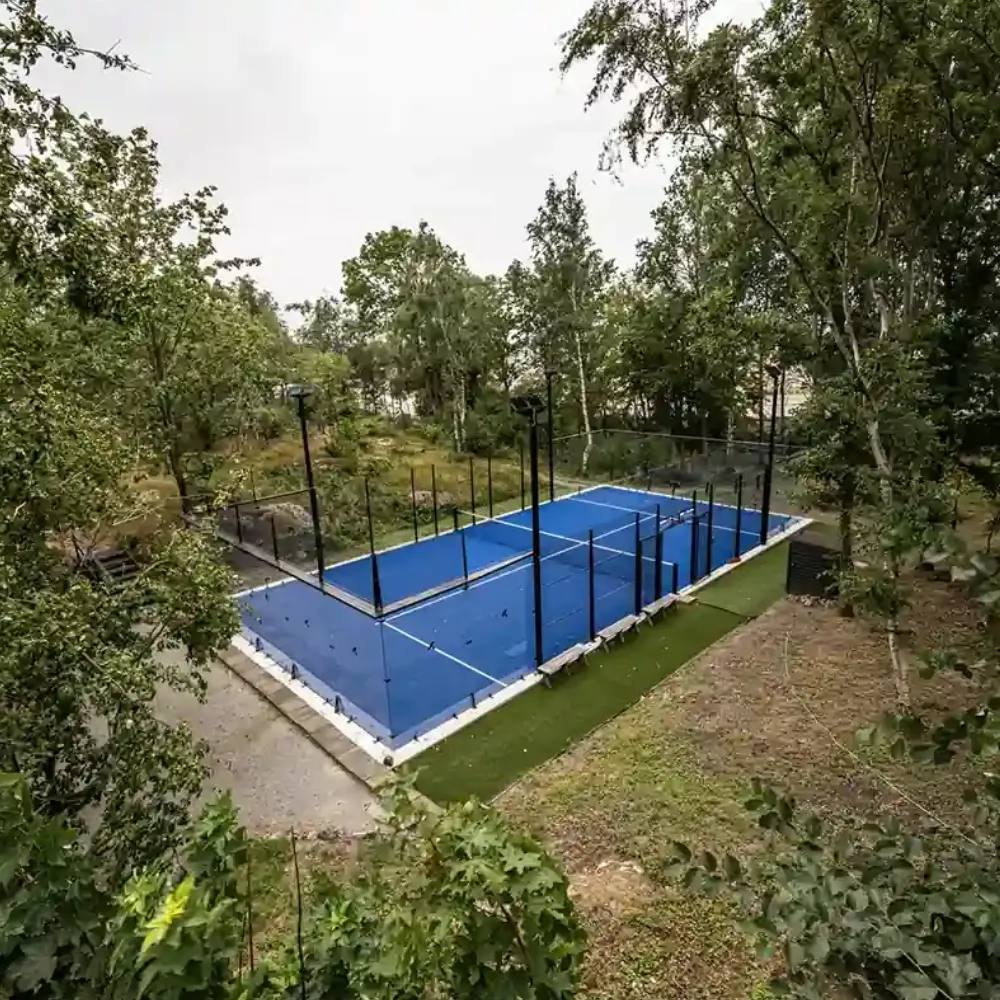
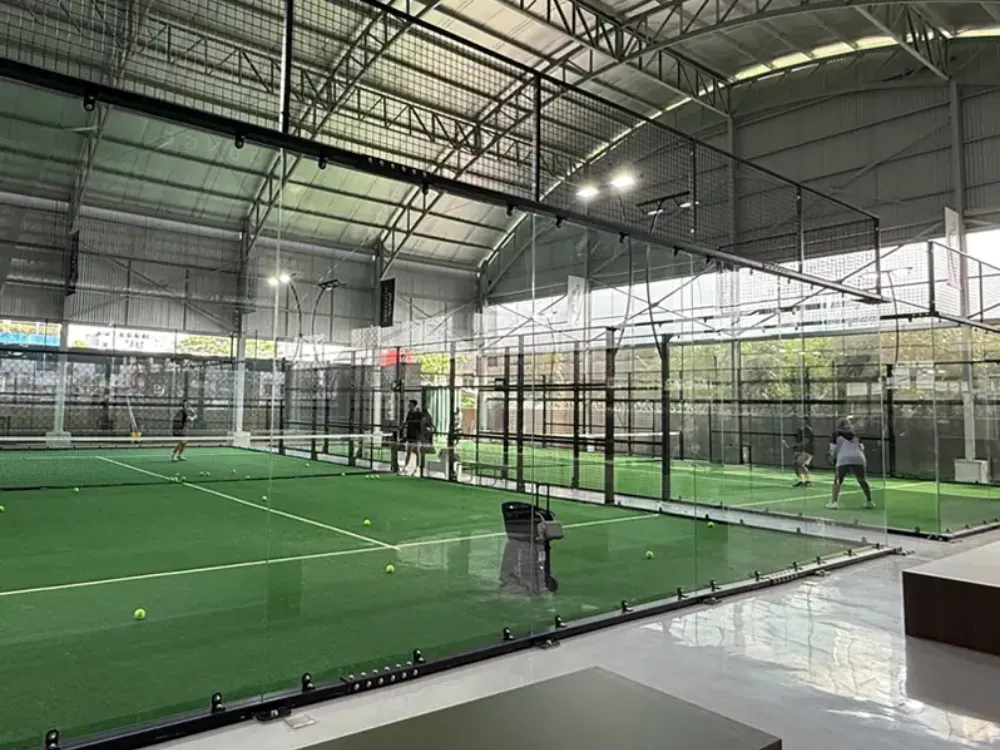
Effective padel court maintenance starts with the instructions for your installed court, named people to carry out the work, and records of what they find. To manage costs, separate routine care, planned service, repairs, and future replacement needs. Compare actual work and support terms rather than assuming a premium court costs less to maintain.
A useful plan connects each task to its instructions, timing, responsible person, and follow-up. It also tells the team who to contact when something needs assessment. This makes padel court maintenance part of daily work. The checklist stays in use after installation.
Key takeaways
- Build the plan from the actual court and component documents.
- Separate routine observations and cleaning from specialist work.
- Set intervals using the applicable instructions and site conditions.
- Record faults, actions, checks, and unresolved questions.
- Compare service scopes and track spending without inventing savings.
Preparing a padel court maintenance plan for a PEDI project? Send your court details and support questions with the location, model, available installation records, and intended use. Ask which documents and support scope apply to the equipment you are considering or operating.
Start with the installed court’s documents
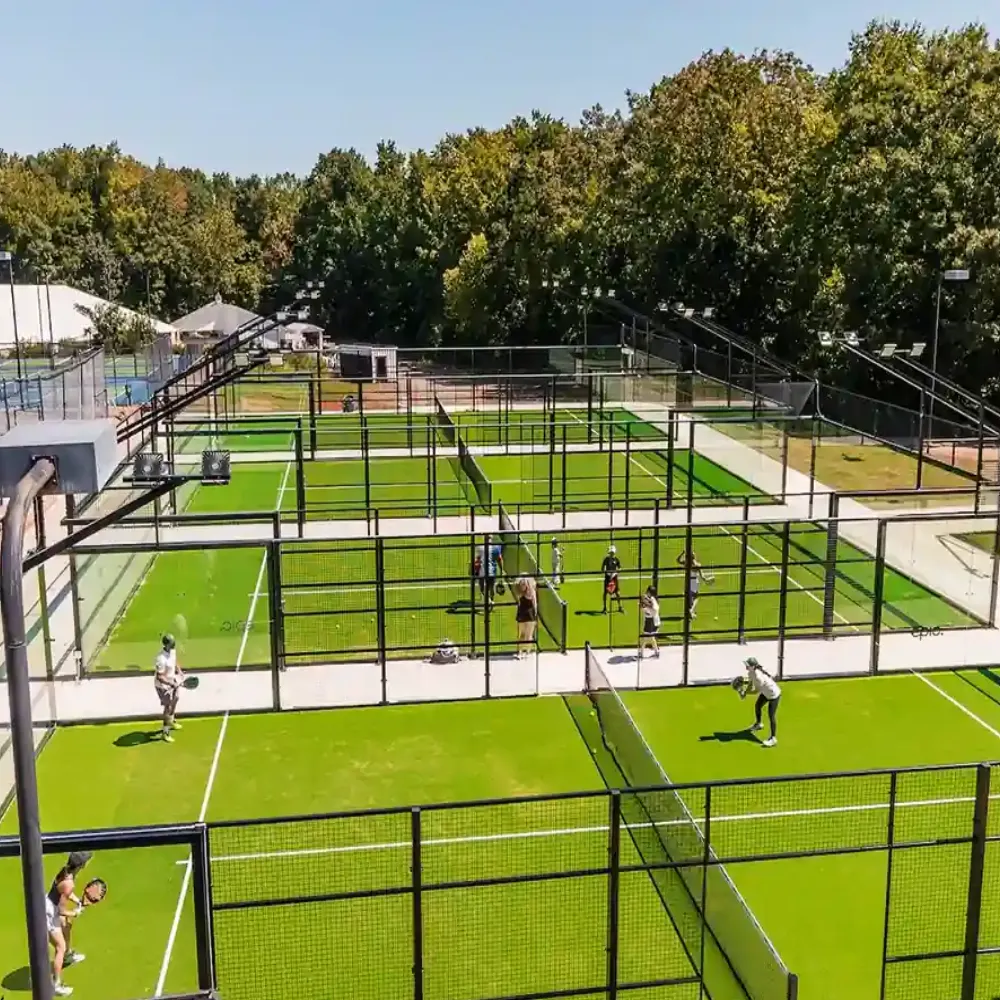
Identify the system and its component records
Collect the court model, installation records, final configuration, and available handover files. Include the documents for the turf, glass and fixings, structure, lighting, and any doors, nets, or other fitted items. Check which document versions apply to the equipment on site.
If records are missing, ask the supplier or relevant service team what it needs to identify the system. Photographs and existing references may help that conversation, but do not assume a similar-looking court uses the same components or care method.
Keep the padel court maintenance file accessible to the operator and appointed service teams. Record where instructions, parts references, warranty terms, and service contacts are held. Update the file when an agreed change or replacement affects the configuration.
Distinguish instructions, warranties, and marketing claims
A product description can identify a model. For padel court maintenance, ask for the full manual as well. Glass thickness, turf specifications, coating labels, or lighting ratings do not independently establish service intervals, annual costs, or how a fault should be repaired.
For example, the PEDI PC001 panoramic court page provides a model information route. Use the supplier conversation to confirm current configuration details and request the applicable documents. Do not treat a product table as approval for a maintenance procedure.
For a new project, include the padel court maintenance handover requirements in the construction and procurement plan. Ask who will provide the final records and explain the care requirements before the operator takes over.
Build a padel court maintenance plan with named responsibilities
Give each task a basis and an owner
Start with the applicable instructions, then record the task, interval or trigger, person responsible, and required record. List the routine work the venue team can perform. Assign specialist work to the right provider. Agree how unanswered questions will be resolved.
Manufacturer documents illustrate why these roles matter. The JUBOpadel maintenance manual distinguishes regular owner or manager tasks from specialist turf maintenance and includes separate component requirements. It concerns that manufacturer’s systems; it is not a universal schedule for PEDI courts.
Use a padel court maintenance planning table as a working record. Fill in the intervals and actions from the relevant documents rather than copying a generic weekly, monthly, or annual tick.
| Area | Instructions to identify | Responsibility to assign | Follow-up to record |
|---|---|---|---|
| Turf and infill | Selected surface’s care requirements | Venue team and relevant specialist | Reported condition and agreed action |
| Glass and fixings | Applicable inspection and service documents | Observer and qualified service contact | Assessment and any required work |
| Steel and connections | System inspection and protection guidance | Venue contact and appointed specialist | Findings and approved response |
| Lighting | Equipment and electrical service instructions | Venue contact and appropriate specialist | Reported issue and service outcome |
| Nets, doors, and fitted accessories | Instructions for installed items | Named operator or service provider | Condition, work, and outstanding items |
| Drainage interfaces | Relevant site and system records | Operator and local service team | Observed issue and review outcome |
Use events as well as calendar dates
Record which conditions trigger a review outside the planned cycle. These may include a reported impact, severe weather, standing water, or a recurring fault. Ask the responsible team how the installed system’s instructions address those events.
A padel court maintenance calendar entry is not evidence that a new concern has been resolved. Keep the finding, contact, assessment, and next decision together. The plan should make that route clear to staff who were not present when the problem was first reported.
Illustrative scenario: A club copies an annual inspection tick into its plan but has no named service contact. The manager replaces the tick-only entry with the applicable document reference, a responsible person, and a route for reporting problems between scheduled visits.
Organise routine observations and cleaning
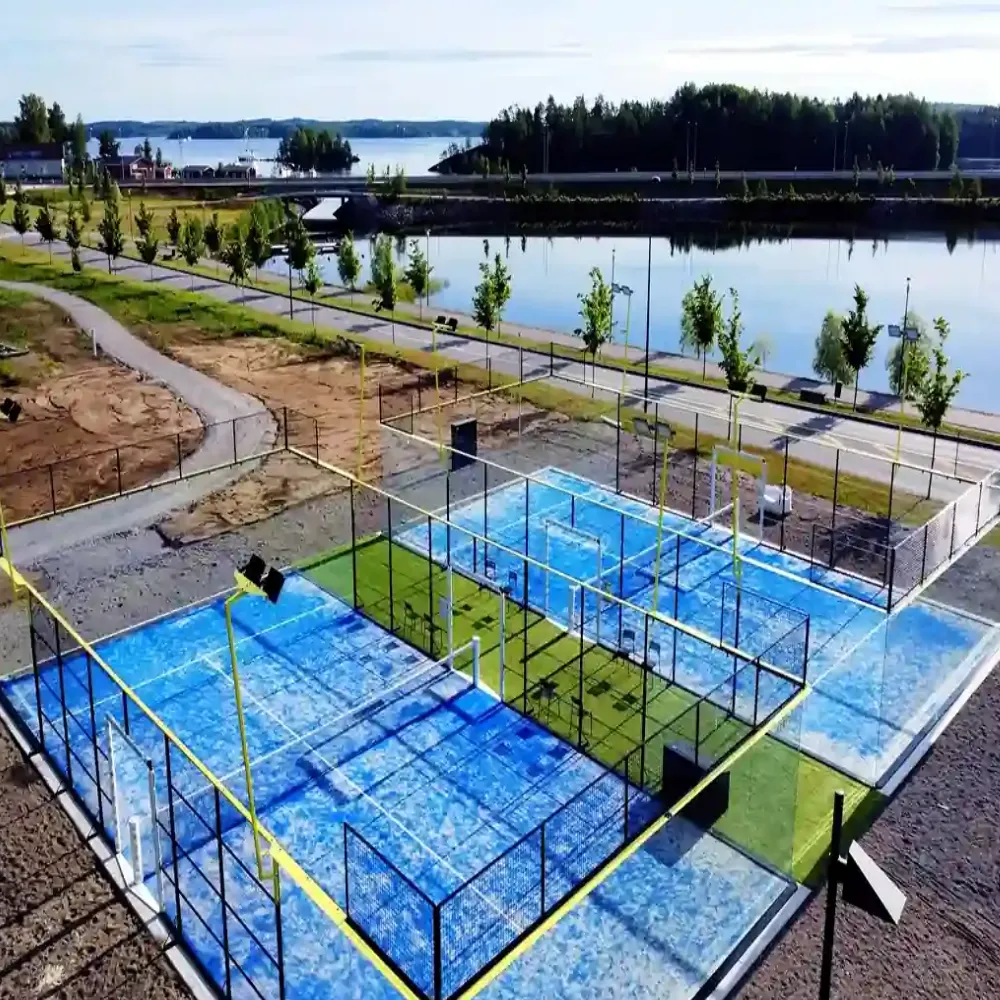
Match the method to the supplied surface
Use the selected turf system’s instructions for cleaning, brushing, infill care, and specialist work. Confirm the tools and materials the venue team should use. Do not assume that a method suitable for one product is suitable for every artificial surface.
MONDO’s artificial turf maintenance guidance discusses regular cleaning, filler care, and specialist work following product instructions. It is a useful example of a structured approach, but its procedures and intervals should not automatically be transferred to another system.
In your padel court maintenance records, distinguish an observation about the infill from an instruction to add material. Ask the responsible supplier or specialist how the selected system should be assessed. A change in appearance alone is not a product-specific infill specification.
Record what the team sees
Give staff a clear way to report debris, visible wear, damaged seams, unusual movement, or water that remains on the surface. Record where and when it happened. Ask the right team to assess the cause. Route the report to the person responsible for the next step.
Schedule planned cleaning around bookings where practical, while preserving the required method and checks. The aim is to organise the work, not to skip it when the venue becomes busy. If a finding affects use, follow the agreed assessment process before arranging the next session.
For repeated water issues, use the available site records and the foundation and drainage guide to frame questions for the local team. Keep padel court maintenance separate from an unsupported decision to alter the base or drainage system.
Separate observations from specialist assessment and repair
Set an escalation route for each component
Visual checks help staff report a condition. They do not authorise repair work. Describe who handles concerns about glass, fixings, structural movement, coating damage, lights, and electrical equipment. Give the operator current contact details and a way to record the response.
Where damage or a possible safety issue is reported, keep people away from the affected area and seek assessment through the appointed service route. Do not let a general article or a previous inspection stand in for that assessment. Record who determines the next action and any return-to-use requirements.
The padel court maintenance procedure should distinguish these decisions from routine cleaning. It should not instruct untrained staff to tighten glass fixings, adjust structural parts, or open electrical equipment. The selected system’s documents and the appropriate professional should guide the actual work.
Ask for the proposed work and follow-up in writing
Request the findings, proposed scope, required parts, and any checks that follow the work. Identify who handles each task and which items remain unresolved. Avoid treating a verbal statement that something has been checked as a complete service record.
Use the court quality and documentation checklist to organise broader equipment questions. For an operating court, keep the evidence tied to the installed component and the actual issue rather than to a general quality label.
Illustrative scenario: Staff notice unusual movement and record where it occurs. The manager uses the appointed service route instead of asking someone to tighten nearby fixings. The issue remains open in the record until the responsible team documents its assessment and required follow-up.
Keep records that connect findings to completed actions
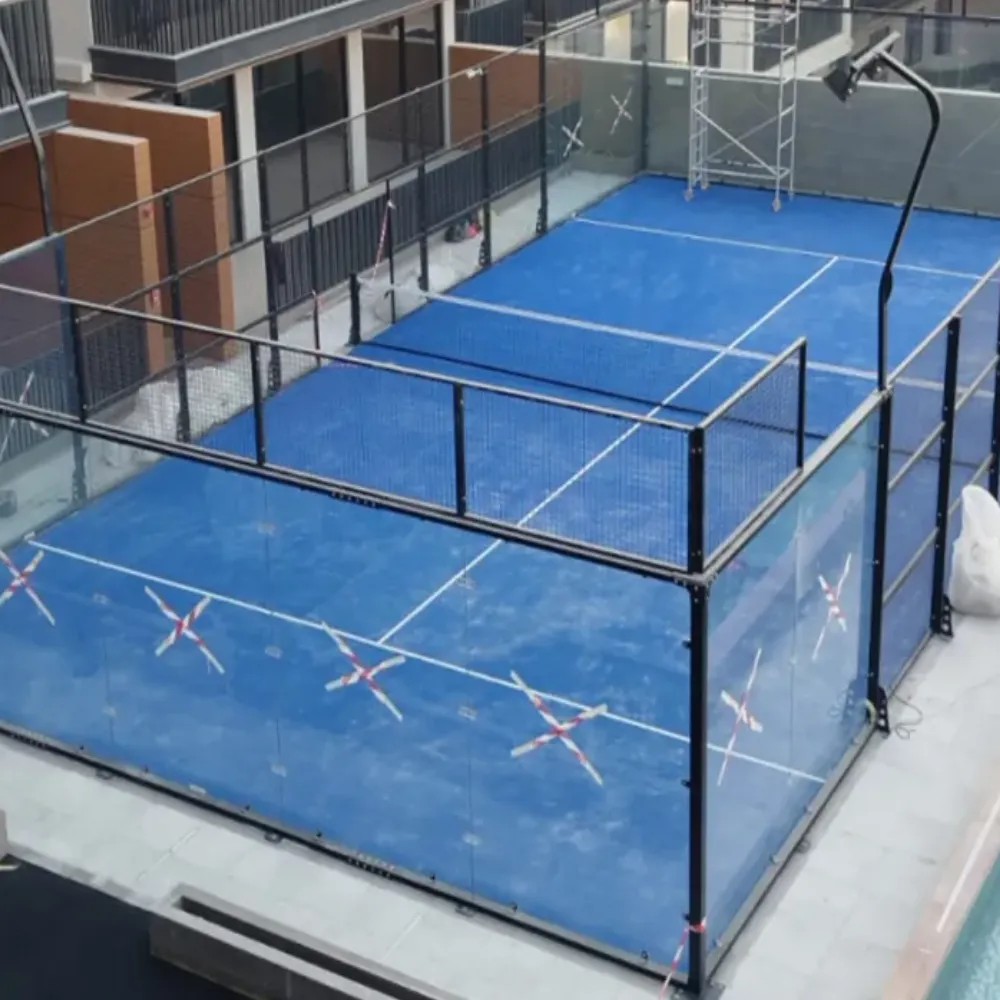
Use one reference for the issue and its follow-up
A padel court maintenance log should let the next person understand what happened without rebuilding the story from separate messages. Link the initial report, assessment, agreed work, and final status under one reference. Keep attachments with that record where possible.
| Record field | What to enter |
|---|---|
| Court and component | Court identifier, location, and relevant model or part reference |
| Date and reporter | When the condition was observed and who reported it |
| Finding | Factual description and relevant photographs or files |
| Assigned action | Named contact, next task, and status |
| Work completed | Service scope, parts, provider, and completion record |
| Review and closure | Required follow-up, responsible decision, and open questions |
| Cost reference | Related quotation, invoice, or budget item |
If a padel court maintenance problem returns, link it to the earlier record. Ask the relevant team to review the history rather than assuming the same repair is always appropriate. Repeated spending becomes easier to examine when the records show the condition, work, and outcome together.
Retain the documents used for decisions
For padel court maintenance, keep the instructions, quotations, service reports, and correspondence that supported each decision. Record changes to the plan after a component replacement or an agreed revision. Ensure the operating team knows which version is current.
Your padel court maintenance file should also show how unresolved items are carried forward. Name the next action and owner. A completed cleaning task does not close a separate repair question. An invoice alone does not show that all required checks are on file.
Track padel court maintenance costs on a clear basis
Separate actual spending from future allowances
Lifecycle planning goes beyond the purchase price. Sport England’s facility cost guidance describes lifecycle costs in terms of keeping a facility open and fit for purpose, including major replacement, planned preventive maintenance, and day-to-day repairs.
Use that as a planning framework, not a global padel tariff. Base your padel court maintenance budget on the actual work, local rates, equipment, and service terms. Separate paid costs from quotations and provisional allowances that still need review.
| Cost group | Information to collect | Boundary to clarify |
|---|---|---|
| Routine venue work | Recorded staff time and relevant materials | Which tasks and courts are included? |
| Planned specialist service | Dated offer, visit scope, and reporting | What is included or charged separately? |
| Repairs and parts | Assessment, approved work, parts, and delivery | Who supplies and fits each item? |
| Replacement planning | Condition records and current proposals | What preparation, removal, and local work are needed? |
| Other operating effects | Separate records of closures or changed bookings | Which business assumptions support any valuation? |
Do not convert every unavailable hour into guaranteed lost revenue. If the business values disruption, keep demand, rates, and other assumptions visible. Track the operational event separately from the financial estimate so later reviews can distinguish facts from forecasts.
Compare service offers before choosing a price
Ask padel court maintenance providers to state the work, equipment covered, visits, exclusions, reports, and extra charges. Record the offer date, currency, taxes, and delivery or travel terms where relevant. Check whether remedial work requires a separate proposal.
A padel court maintenance service price is only comparable when its boundaries are clear. One visit may cover observation and reporting while another includes specified care work. Ask about the difference rather than assuming that the lower figure buys the same outcome.
For the wider investment, use the itemised court budget guide. Keep capital purchase, operating care, and future replacement records connected without presenting one equipment quotation as a complete lifetime cost.
Illustrative scenario: A facility receives two service offers. One excludes parts and additional repairs; the other lists more work but leaves travel costs open. The buyer requests matching inclusions and exclusions before comparing the totals. No savings are assumed from the initial headline prices.
Confirm support and keep the plan current
Ask what the supplier and local teams cover
Confirm who provides care documents, technical advice, parts identification, site service, and warranty responses. These may be different parties. Ask for written scope and contact routes rather than assuming that equipment supply includes every future maintenance task.
For padel court maintenance planning, distinguish a warranty from an ongoing service agreement. Read what the warranty covers, its conditions, exclusions, and how to report a claim. Keep the records needed by the applicable terms; do not infer a universal claim process from another court’s warranty.
When preparing a new venue, include these questions in the installation readiness and timeline review. Care responsibilities and document handover belong in that conversation before regular operation begins.
Turn the file into an operating routine
Review the plan when the equipment, instructions, use, or service terms change. Ask the relevant team whether the tasks or intervals need updating. Keep the agreed version available to staff and retain the previous records.
A useful padel court maintenance system connects instructions, people, findings, work, and costs. It gives owners a basis for managing recurring issues and comparing support without promising a fixed lifespan or automatic reduction in expenses.
For a PEDI project, request applicable documents and clarify support scope. Share the location, court reference, available records, intended use, and specific questions. Use the response with the appointed local team to complete the plan for your actual facility.
Frequently asked questions
How often should padel court maintenance be carried out?
Use the installed court and component instructions. Set tasks, dates, and checks after reported events from those records. Consider the actual use and environment with the responsible team. A generic calendar cannot replace those requirements.
Can venue staff perform every maintenance task?
Assign routine work only where staff have the appropriate instructions and capability. Keep specialist assessment and repair with the relevant qualified provider. Make the escalation route clear before a problem occurs.
What should be recorded after a service visit?
Keep the court reference, findings, work, parts, provider, and required follow-up. Link the service report to the original issue and related costs. Record any unresolved question and its owner.
Does buying a premium court guarantee lower care costs?
Compare documented requirements, support terms, and actual service scopes. A premium label or component specification does not prove a lower annual budget. Use evidence for the specific equipment and project.
How can a club compare padel court maintenance quotations?
Match the equipment, work, visits, reporting, parts, and exclusions. Check currency, taxes, travel, and extra charges. Ask providers to clarify gaps before comparing the totals.
Does a warranty replace a maintenance plan?
No. The plan organises care and records; the warranty sets its own coverage and conditions. Read both for the equipment on site. Confirm who handles service and claims.