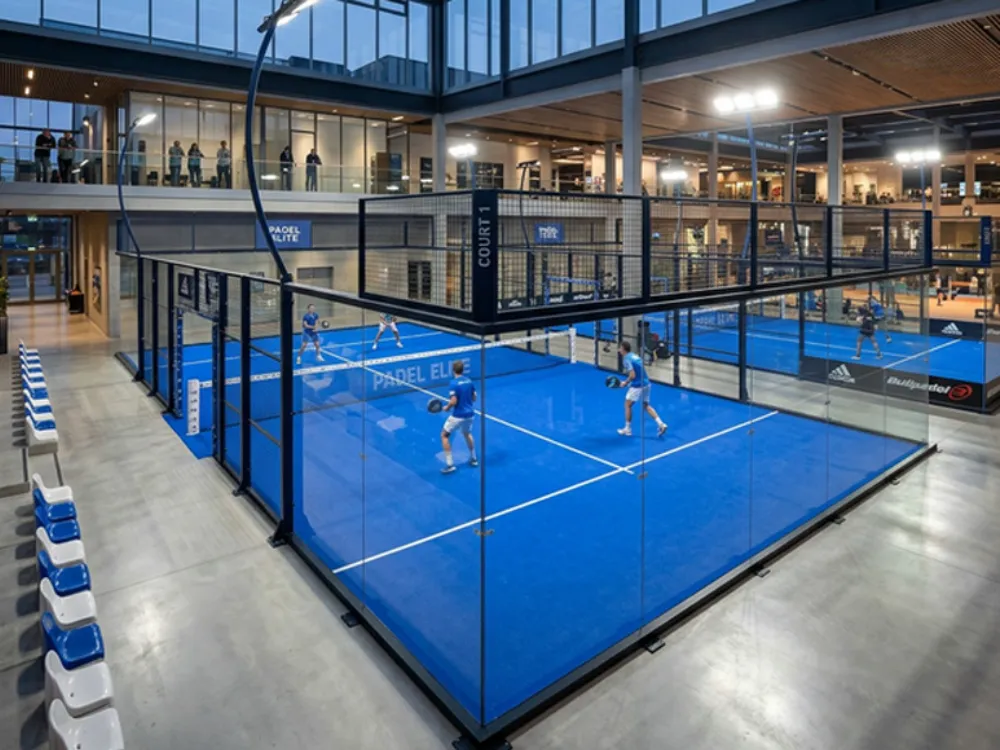
Padbol rules cover a foot-and-body ball game played across a net, with walls involved in play. Learn the sequence of a point first, then check the conditions that apply to serving, touches, returns, and scoring.
A short Padbol rules summary is useful until an exception changes the answer. That is why this guide follows the point in order and gives you a route back to the relevant clauses. Use it to prepare for a session, rather than as a substitute for the complete rulebook or a competition official’s decision.
Key takeaways
- Keep the official English rulebook available when using a short summary.
- Distinguish a service fault from a service let.
- Check the conditions for one-touch returns and red-zone volleys.
- Confirm the scoring format before play and keep venue policies separate.
Padbol rules: Start with players and zones
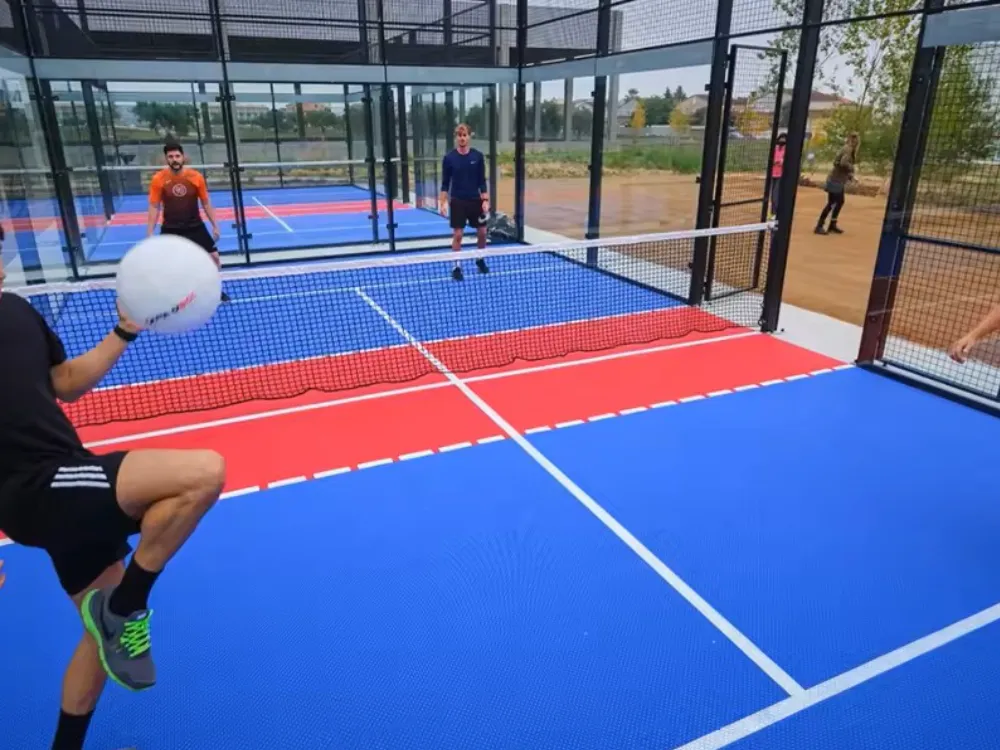
Use the official English Padbol rules published by FIPA as your main reference. The document identifies English as the prevailing version where interpretations differ. A local translation or old video can help with orientation but should not replace it.
Know who is playing the point
Rule 5.2 specifies two players from each team on court during play. Keep that distinct from the team registered for a match. For changes of players or other competition arrangements, consult Rule 5 rather than assuming a casual session’s arrangements apply.
Before a first session, ask the host to identify the people taking part, the playing area, and the terms used in the briefing. A clear introduction should let a new player connect a spoken instruction with what they can see.
Identify the zones before learning exceptions
Start with the zone descriptions in Rule 4. Ask the person explaining the activity to point out the relevant areas on the actual court. Keep the playing-zone explanation separate from a construction drawing or a supplier’s product dimensions.
Illustrative scenario: A receptionist prepares two information sheets. One covers arrival and booking arrangements; the other directs players to the sport’s rules and session introduction. A cancellation policy stays on the venue sheet instead of being presented as a Padbol rule.
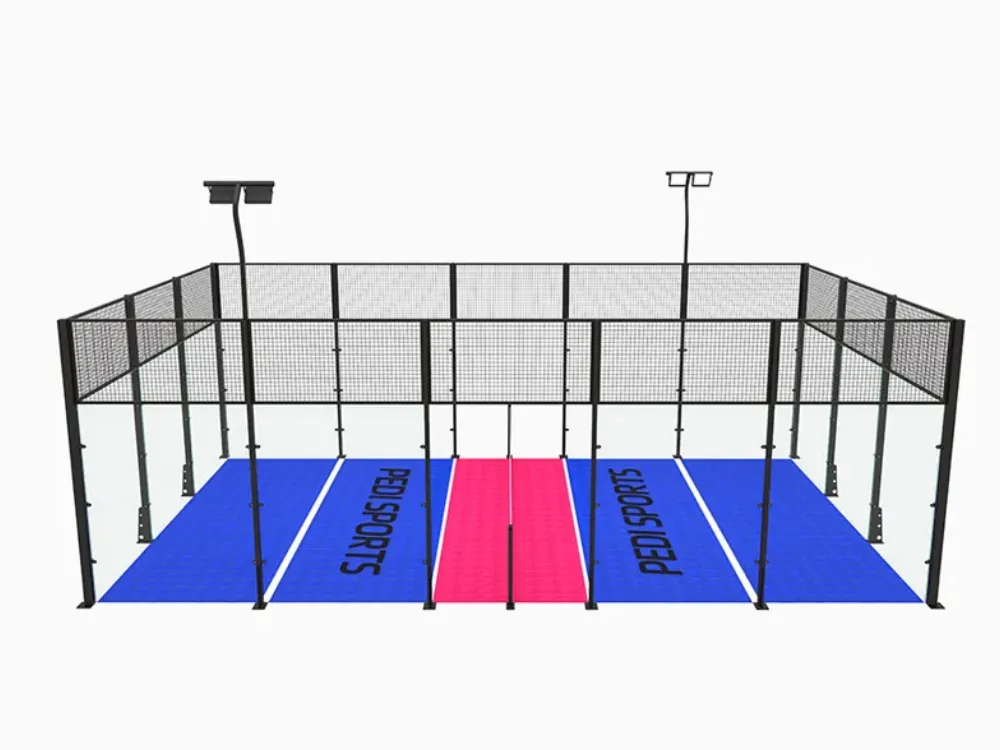
For venue buyers, PEDI’s Padbol court range is a product starting point. If you are planning a facility, send PEDI your intended use and site information to discuss product documents. Equipment enquiries and player instruction are separate tasks.
How to serve and start the point
Read the serving provisions together. Padbol rules distinguish the server’s position, the service action, the receiver’s preparation, faults, and replays. Looking at one of those parts alone can leave an important condition out.
Use the correct starting reference
Rule 7.1 uses the service line as its position reference. Rule 7.4 describes a foot service following a bounce and allows specified direct or glass-rebound routes to the reception area. Check the complete clauses before turning these points into a practical demonstration.
For a beginner briefing, use a short observation sheet. It can ask what the observer saw without trying to turn every question into an instant ruling.
| Observation | Where to check |
|---|---|
| Starting position and side | Rule 7 |
| Service action and route | Rules 7–8 |
| Receiver readiness | Rules 10–11 |
| Service contact with a player | Rule 12 |
| Initial reception and order | Rule 13 |
Ask the instructor to explain the terms on the sheet before play starts. If an instruction differs from the written source, identify the clause and resolve the difference. Do not silently replace a rule reference with a familiar term from another sport.
Separate a fault from a let
Rule 9 provides a second attempt after the first service fault; another fault loses the point. A service let is a separate issue under Rule 10. Do not count a replay as a fault simply because the service was taken again.
When discussing an uncertain serve, describe the action in order. Note the starting position, the path of the ball, the relevant contact, and what happened next. That gives a knowledgeable official or instructor something specific to assess.
Avoid importing padel serving instructions into Padbol rules. Similar names and a net do not establish that the same service action or interpretation applies. Keep the correct rule source beside the introduction you are using.
Practise reading the sequence
For a learning session, review one question at a time. Start by locating the clause, then identify the condition it addresses. Ask the person leading the session to connect the wording with the demonstration.
Keep a Padbol rules question list for points that remain unclear. Do not turn a guess made during an informal discussion into the next group’s printed instruction. Update a short guide only after its wording has been checked against the source.
Padbol rules during a rally
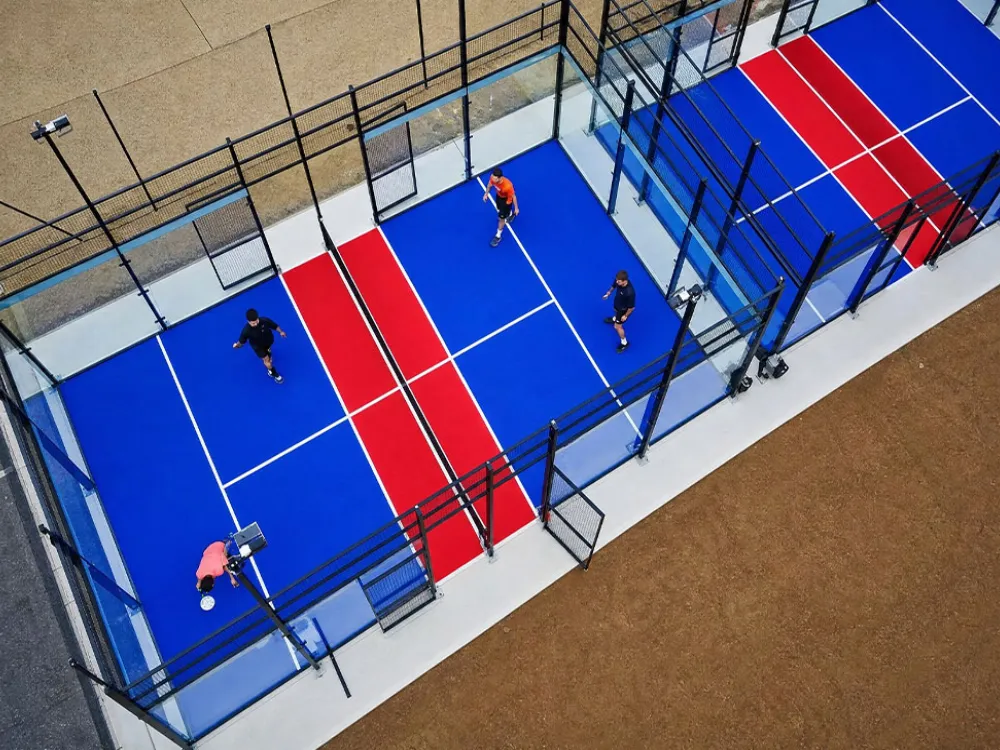
The main challenge is often recognising which provision applies to the sequence you have seen. Use Padbol rules on touches, rebounds, and volleys together, rather than treating a short slogan as a complete description of a rally.
Start with the normal touch sequence
Rule 14 describes alternating team touches, normally two to three, with exceptions addressed in the return provisions. Rule 16.1 excludes arms, forearms, and hands. Keep those references visible when preparing an introductory explanation.
For an observation exercise, record who made contact and in what order. Separate player contacts from the rest of the ball’s path. Then ask which clause addresses the particular situation instead of deciding from the number alone.
Check the return conditions
Rules 14 and 16 contain wall-related return provisions. Rule 15 and the associated clauses address the red-zone volley. These conditions matter: a claim that every return always needs two player touches leaves out exceptions.
Illustrative scenario: Two beginners disagree about a one-touch return. They record the ball’s path and the player’s location, then ask the host to identify the relevant clause. The example shows a way to frame the question; it does not declare an unspecified return legal.
Use a reference table like this beside a supervised introduction:
| Question you are trying to answer | Clauses to review |
|---|---|
| Which team-touch sequence applies? | Rule 14 |
| Does a wall-related return provision apply? | Rules 14 and 16 |
| Is the volley condition satisfied? | Rules 15–17 |
| Does the mesh change the situation? | Rules 17 and 20 |
The table is an index to Padbol rules, not a set of new decisions. Read the referenced provisions in full. Where their application is unclear, take the recorded sequence to someone familiar with the current rules.
Keep the explanation easy to follow
A useful Padbol rules briefing can separate three tasks: notice the event, find the provision, and explain the answer. Mixing all three into a long instruction makes it harder to see which fact matters.
Ask learners to explain the situation back in their own words. If they leave out a condition, return to the specific clause rather than repeating a broad statement. Keep rare or disputed situations out of a simplified handout until they have been properly checked.
Recognise lost points and replays
For questions about a lost point, start with the relevant event rather than a remembered phrase. Padbol rules on lost points, fixed objects, interference, and particular situations sit in different parts of the document.
Follow the event to the right clause
Rules 17–20 provide the main route for checking these questions. Use the headings to locate the issue, then read the applicable wording. A short introductory sheet should help readers find that wording without pretending to settle every possible case.
For net contact, read Rules 16.4 and 17 together. The former allows a limited subsequent incidental-contact exception. It is therefore inaccurate to summarise the current text as “all net contact always loses the point.”
That exception should not become advice to reproduce an awkward contact. Ask for a clear explanation of the timing and conditions in the written provisions. Do not turn an instructional example into a physical challenge.
Record enough detail to ask a useful question
When reviewing a Padbol rules question, note:
- What happened immediately before the event.
- Which player or object was involved.
- The order of the contacts or interruptions.
- The provision being considered.
- The question that remains unresolved.
This is a discussion aid, not an alternative appeal system. In a competition, follow the event’s officiating arrangements. For a learning session, let the person responsible for the introduction obtain the needed clarification.
Keep examples distinct from rulings
If a venue publishes a Padbol rules example, identify the exact conditions and have the answer checked. Do not label a sketch “legal” or “illegal” because it resembles an older video clip. A missing detail can change which clause is relevant.
For staff using Padbol rules in a short briefing, keep an unresolved-question log. Record the source of the final answer and update the handout when needed. This prevents a casual explanation from becoming a permanent instruction without review.
Keep score and prepare an introduction
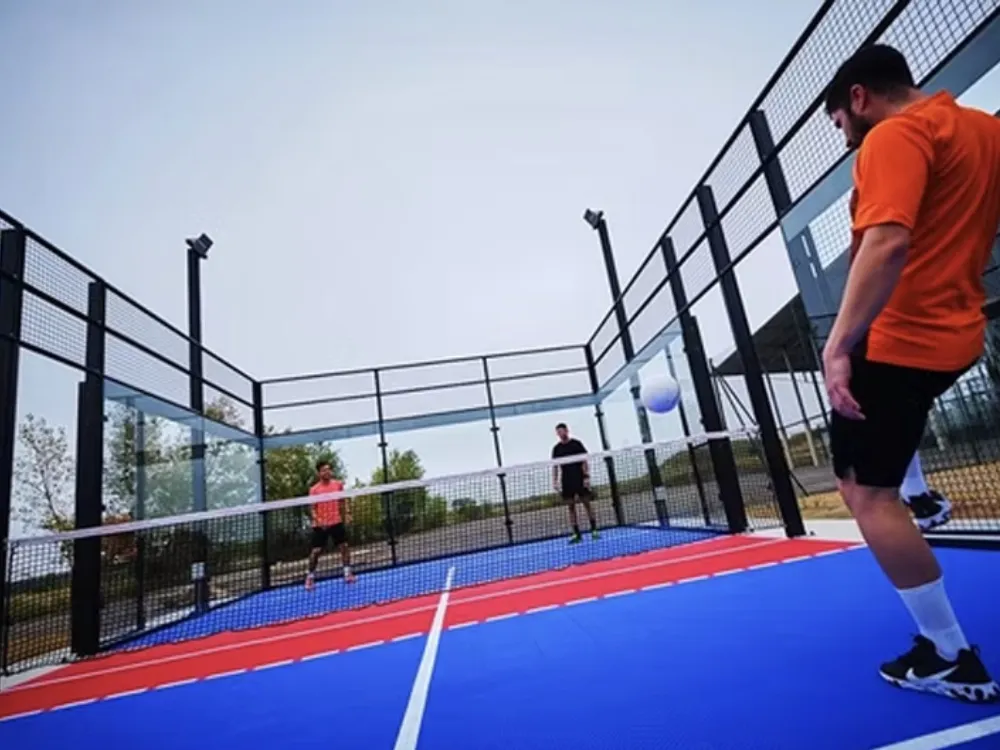
Separate points, games, sets, and the match format when explaining Padbol rules. Put the chosen format beside the score record so participants know what they are working towards.
Confirm the format before play
| Level | Rulebook summary | Reference |
|---|---|---|
| Game | 15/30/40; from deuce, two consecutive points decide it | 21.2 |
| Set | Six games with a two-game margin; a tie-break may be adopted at six-all | 21.3 |
| Match | Best of three, with an option to extend to best of five | 21.1 |
These are selected summaries, not the complete scoring provisions. Confirm the applicable format and any competition arrangements before using a simplified scorecard. Don’t present an optional tie-break as inevitable in every session.
Illustrative scenario: Before a session, the host confirms which format the group will use and points to the scoring reference. A player asks about the tie-break choice before the score becomes close. No assumed event policy is invented in the handout.
Check the session information
Before sharing a Padbol rules handout, review it with the person leading the session:
- Are the source and review date easy to find?
- Are examples clearly separate from the rule text?
- Are optional format choices labelled?
- Can a reader find the full provision behind a short answer?
- Is there a clear route for questions the handout cannot settle?
Keep that check brief and practical. The aim is a usable introduction, not a claim that a short sheet covers every situation. Save the reviewed version so staff do not circulate an earlier draft by mistake.
Keep the briefing current
A regional summary such as Padbol Austria’s rules page can help organise an introduction. Use the official English source to resolve wording differences. Record the source and review date on your own player information.
Keep booking terms, equipment collection, and local operating instructions under separate labels. They may be important to a visit, but that does not make them sport-wide Padbol rules. Tell users where to ask about each type of question.
For facility planning rather than play instruction, PEDI’s Padbol court buying guide covers the wider procurement discussion. The PC099 product page is a separate source for model enquiries, not evidence of an officiating or coaching service.
Frequently asked questions
Can I use my hands?
No. Check the permitted-contact provision and exclusions in Rules 16.1 and 17.4. A Padbol rules handout should point to those clauses rather than borrow an equipment or contact rule from another sport.
Does every return need two touches?
No. The normal team-touch sequence has exceptions. Review the relevant wall-return or volley provision with the complete situation in view. Do not decide an unspecified return from a touch count alone.
Is every net touch a fault?
No. The current English text contains a limited exception for subsequent incidental contact. Read Rule 16.4 alongside Rule 17; the exception does not make net contact unrestricted.
Is a tie-break always compulsory?
The rulebook allows a tie-break as an alternative at six-all. Confirm the format that applies to the session or competition before play, then use the correct scoring instructions.
Can I use padel instructions instead?
No. The sports have different rules and equipment. Use a Padbol-specific reference and have any simplified explanation checked against it. Similar court features do not make the instruction interchangeable.
Learn Padbol rules through the sequence of a point, and keep exceptions tied to their clauses. If your next task is planning a facility, send PEDI your project information for a product discussion; keep equipment selection separate from coaching and rule interpretation.