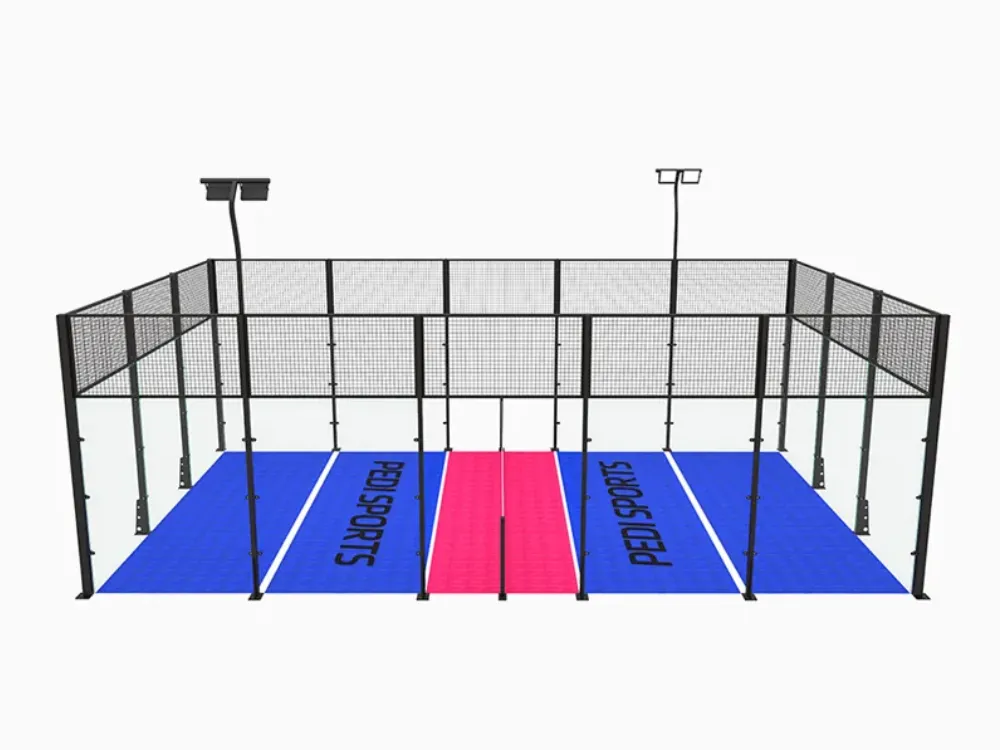
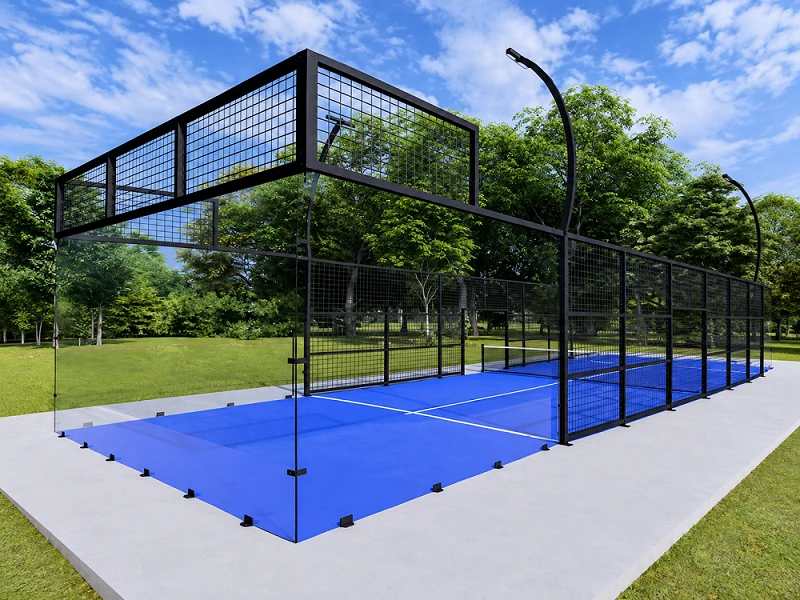
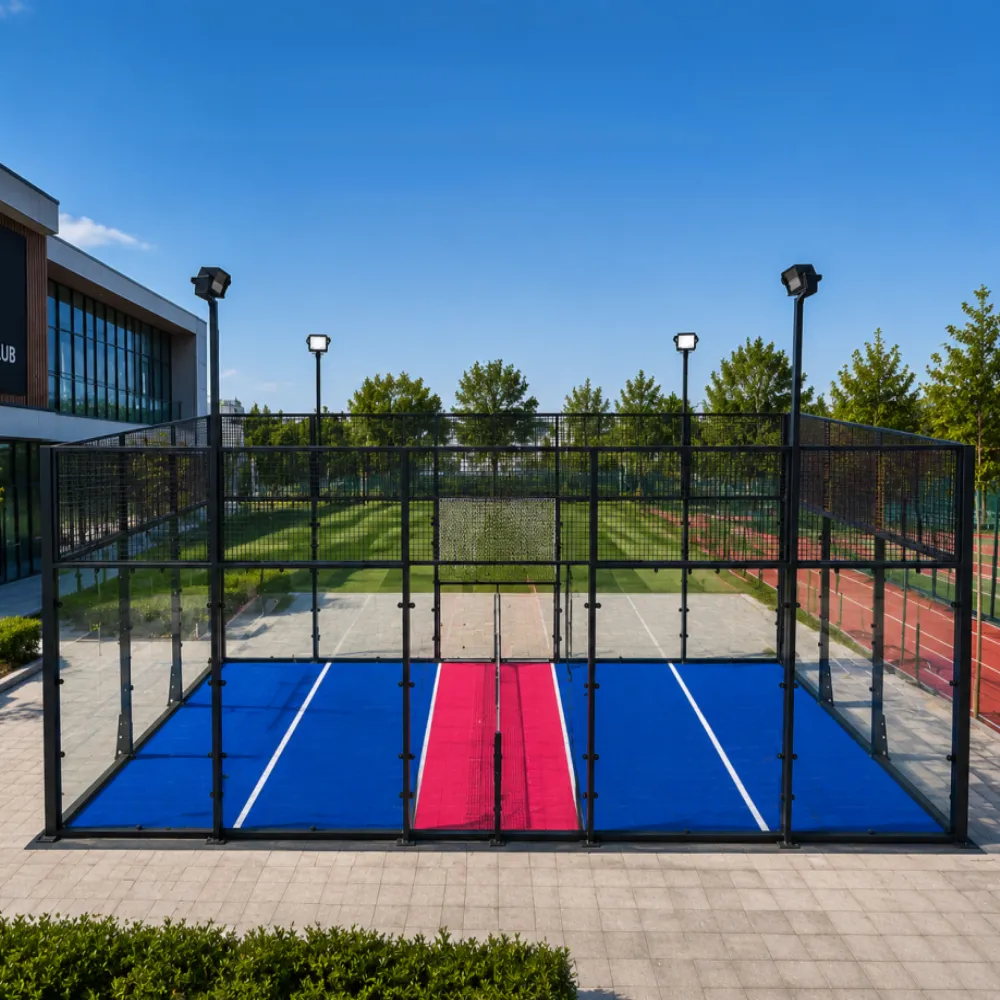
Padbol court cost depends on the selected system and the work included in the proposal. A published court price does not establish the full budget for equipment, delivery, site work, installation, and opening preparation.
If you are comparing figures from different suppliers, the price gap can be hard to explain. Start by putting each figure beside its scope. This guide provides a public supplier example and a practical comparison method, so you can ask for the missing information before making a purchase decision.
Key takeaways
- Treat public price ranges as supplier examples, not PEDI quotations.
- Separate the court package from transport, local works, and operating preparation.
- Check exclusions and overlaps before adding costs together.
- Request a written configuration, delivery boundary, and quotation validity.
What does a Padbol court cost?
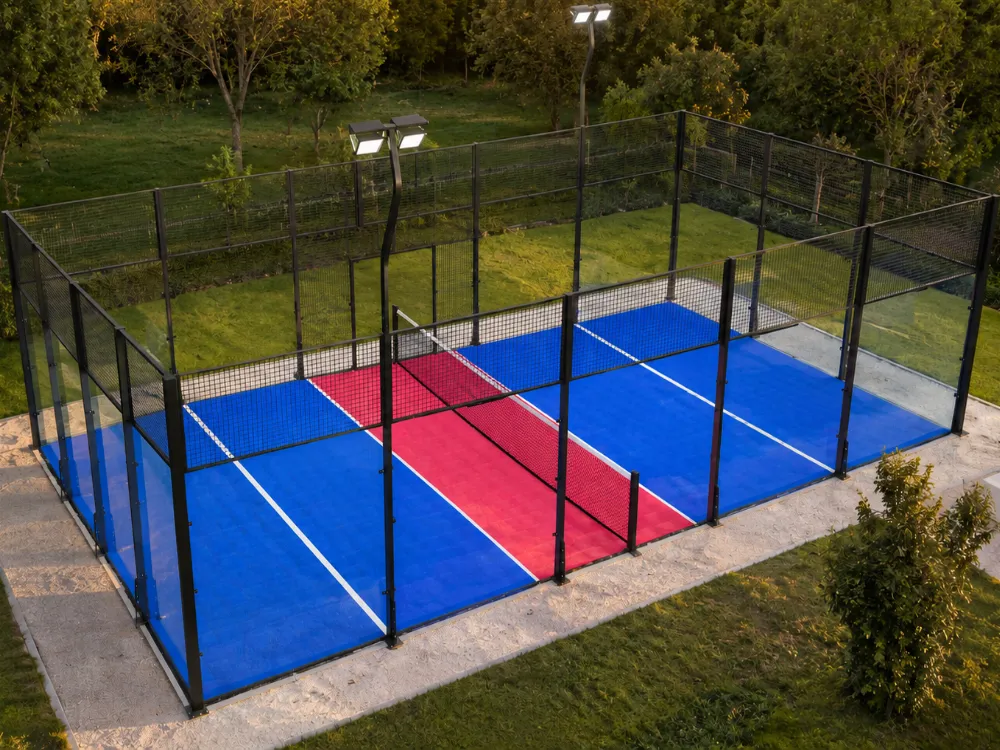
Public figures can help you frame an enquiry, but they need a source and a clear label. Padbol court cost is not a single worldwide price, and a supplier’s model names do not describe every manufacturer’s range.
A published supplier example
In its article dated 21 August 2026, WePadbol publishes these approximate ranges. They were checked on 30 October 2026 and refer to that supplier’s own offering.
| WePadbol item | Published approximate range, EUR |
|---|---|
| Origin court | €25,000–32,000 |
| Panoramic court | €32,000–42,000 |
| Origin roofed court | €38,000–50,000 |
| Panoramic roofed court | €45,000–60,000 |
| Infrastructure and ground works | Roughly €6,000–12,000 additional budget |
| Professional LED lighting | Roughly €2,500–5,500 additional budget |
These are court-focused investment examples, not a formal offer for your site. Do not treat them as PEDI prices, a market average, or a complete delivered project total. Ask what a current quotation includes before using it in your own budget.
Ask for the price behind the scope
For PEDI, identify the PC099 Padbol model and request a proposal for your location and needs. No verified public PEDI price is established by this guide. A useful Padbol court cost enquiry should specify the configuration, quantity, destination, and requested services.
Illustrative scenario: A buyer sees two court prices online and assumes the lower one represents a cheaper project. The buyer first asks each supplier to identify the equipment and delivery boundary. Until those answers arrive, the figures remain different offers rather than a reliable price comparison.
To begin, send PEDI your model preference, quantity, and delivery location. Ask for the supply scope and exclusions alongside the quotation.
Separate equipment price from the project budget
Build your Padbol court cost sheet around responsibility. Equipment, transport, local works, and preparation for use should each have a clear source. An unpriced item should remain visible rather than disappear into a low headline total.
Define the equipment package
Ask for a configuration schedule that names the offered court system, surface, enclosure, net assembly, accessories, and included lighting. Mark optional items separately. Use the same model reference on the schedule, drawings, and quotation.
If website descriptions and an offer differ, request a written clarification. Don’t assume that an item in a photo forms part of the order. For a sound Padbol court cost comparison, compare the configuration you would actually buy.
Identify transport and receiving tasks
For each Padbol court cost proposal, record where delivery ends and who handles the next step. Ask the relevant providers about freight, receiving, unloading, and any destination charges that apply. Have them identify exclusions rather than assuming every charge is part of the equipment price.
The ICC’s Incoterms rules overview explains the role of these trade terms in clarifying delivery tasks, costs, and risks. If a quotation uses a trade term, ask for its named place and applicable version. Have the parties confirm the meaning for the order; this guide does not assign taxes or transport duties under a specific term.
Keep local work visible
Ask the responsible local professionals and contractors to identify the site work their proposal covers. An equipment quotation cannot answer every question about an existing base, services, or local project requirements.
| Budget area | Question to answer | Evidence to retain |
|---|---|---|
| Equipment | What exact package is offered? | Configuration and quotation |
| Delivery | Where does the priced service end? | Delivery terms and location |
| Receiving | Who arranges handling and unloading? | Agreed receiving scope |
| Local works | What work has been assessed and priced? | Site-based proposals |
| Installation | Who performs and checks the agreed work? | Written task boundaries |
| Opening preparation | What must the operator arrange? | Operator’s preparation list |
Keep the entries separate until you understand their boundaries. A Padbol court cost total becomes more useful when you can trace each part to a document and a responsible party.
What changes Padbol court cost?
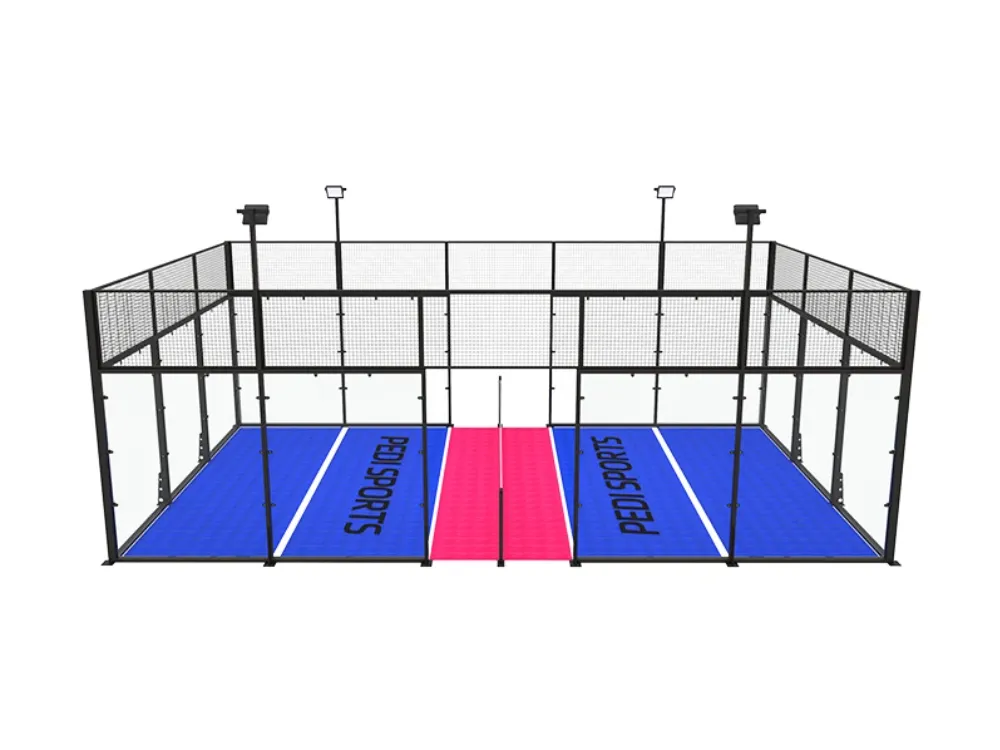
Focus on differences that change the proposed purchase. Do not assume that a competitor’s options are available from PEDI, or that every project needs the same supporting work.
Fix the configuration before comparing
Start with the selected court, then record the surface, enclosure details, included equipment, and requested options. If the configuration changes, ask whether the quotation and related work must be revised.
Check the surface system in writing. A reference to flooring in one document and another surface in a different document needs clarification. It is not a reason to insert a substitute product or an assumed price into your Padbol court cost estimate.
For a roof or other added structure, ask whether it is part of the offered system and who provides the relevant design and local review. Do not transfer another manufacturer’s roofed model description into a PC099 order.
Review the actual site and destination
An existing paved area is an input for assessment, not proof that all base work can be removed from the budget. Ask what information the selected system requires and who will review the existing conditions.
Destination and delivery arrangements also belong in the comparison. If two proposals use different locations or service boundaries, request a matching basis before judging the Padbol court cost difference. Keep any unresolved destination costs marked as open items.
Treat lighting as a scope question
Illustrative scenario: A manager adds a separate lighting allowance to an equipment budget. The package description already mentions fixtures, but does not explain the electrical work. The manager asks which parts are included and prices only the remaining scope. The exercise checks overlap; it does not establish a saving or a universal electrical budget.
Use that approach for other accessories. A quoted component and the work needed around it may be separate, but you need a clear answer before counting both. Keep a note of what each line covers.
Compare quotations without missing or counting items twice
Make the comparison sheet a working record. Padbol court cost should reflect the current proposal, not an earlier configuration or an unclear online offer.
Put the assumptions side by side
Ask each supplier to respond to the same request. Keep the quantity, destination, intended configuration, and requested services consistent. Where a supplier offers an alternative, label the change and ask what it affects.
| Comparison field | Proposal A | Proposal B |
|---|---|---|
| Model and configuration | Enter confirmed offer | Enter confirmed offer |
| Quantity and included options | Record | Record |
| Currency and validity | Record | Record |
| Delivery term and named place | Record | Record |
| Included installation or guidance | Record scope | Record scope |
| Excluded tasks and charges | List | List |
| Open inputs and assumptions | List | List |
Leave unknown amounts unfilled and explain why. A blank labelled “awaiting local proposal” is clearer than a made-up allowance presented as a confirmed price. If your organisation uses a planning allowance, label its basis, owner, and review date.
Reconcile overlaps and exclusions
For each line, ask whether the task is included, excluded, optional, or still to be confirmed. Assign an owner to every gap. When two documents appear to price the same item, ask the parties to explain the difference before removing either line.
Do not add every published range in this article to produce a universal total. A public example may not match the package, site, or delivery scope you are buying. Your Padbol court cost comparison needs current responses from the parties involved.
Keep a cost evidence register
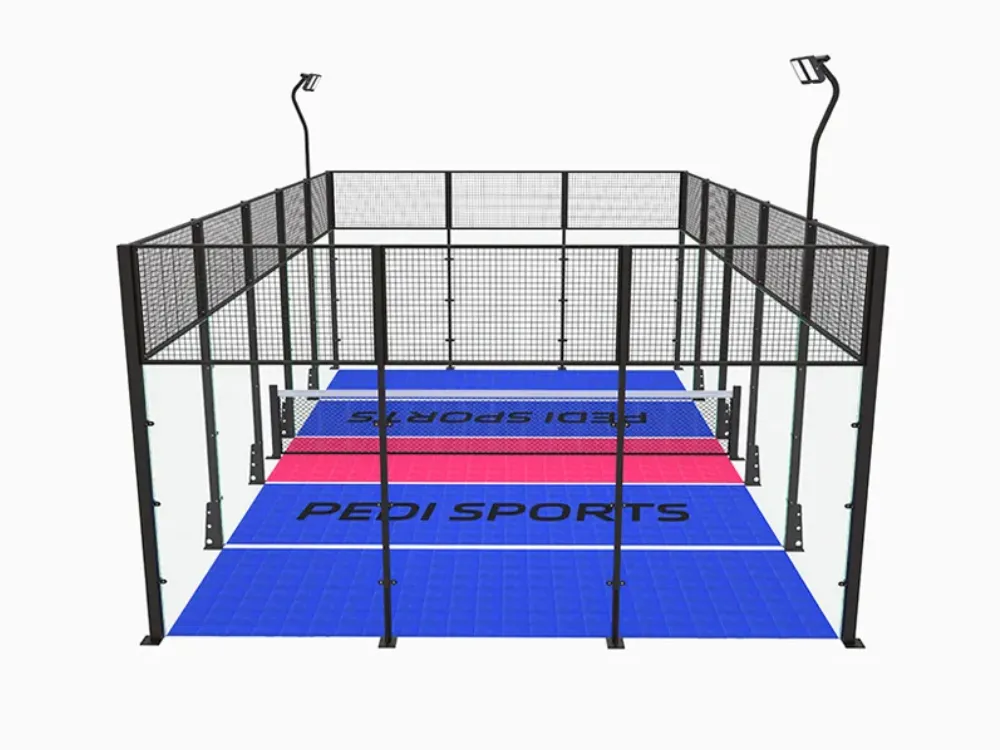
For each Padbol court cost entry, retain the source document and the reason for the amount. Mark whether it is a current quotation, a planning allowance, or an unresolved item. Those labels prevent an early estimate from looking like a firm commitment.
Use the register to answer a short set of questions:
- Who supplied the amount, and when?
- Which model, quantity, and location does it cover?
- What is included, and what is excluded?
- Which input could cause a revision?
- Who must obtain the next answer?
A Padbol court cost register does not need a price for every task on day one. It needs a clear record of what is known. If a task is outside the supplier’s offer, name the person who will obtain that part of the budget.
Check any allowance against the proposed scope before using it. Don’t quietly replace a missing quotation with a figure from another country or another supplier’s model. A Padbol court cost allowance should carry its own basis and should remain distinct from a confirmed offer.
Review the record with the people who own the tasks. Ask them to flag work that appears twice or work that nobody has priced. Keep the answer beside the relevant Padbol court cost line, rather than relying on a note in a separate email thread.
Before approving a purchase, make a final list of open amounts and assumptions. Your organisation can then decide how to handle each one with the right context. This approach makes the Padbol court cost decision traceable without pretending that every early input is certain.
Keep price and business assumptions separate
A purchase budget is different from a forecast of future bookings. If your organisation needs a business case, document its own demand, session, staffing, and operating assumptions separately. Do not infer profit or a payback period from a court price.
For the wider sequence of product selection and project preparation, see PEDI’s Padbol court buying guide. This cost article focuses on the budget boundaries and comparison record.
Prepare a cost enquiry for PC099
Use PEDI’s Padbol court range to identify the offered product. Then build a short brief that lets the supplier explain what it has priced and what remains outside its offer.
Provide a defined project brief
Include the location, intended setting, model or requested configuration, quantity, and planning dates. Attach the site information you have, such as a measured plan and photographs. State which services you are asking the supplier to price.
Mark uncertain details clearly. A provisional location should not look like a confirmed delivery address. A requested opening date should not appear to be an agreed installation programme.
Ask the response to identify the proposed configuration, commercial assumptions, validity, and exclusions. For each part of Padbol court cost that needs another provider’s input, record who will obtain it.
Update the budget when inputs change
Illustrative scenario: A club changes the proposed location after receiving an initial offer. The buyer sends the revised information and asks which equipment, delivery, and site assumptions need review. The earlier figure stays in the record as an earlier proposal, not as a confirmed budget for the new location.
Give each Padbol court cost revision a reference and date. Keep it easy to find. Keep the related configuration and scope with it. This lets another person see why the total changed and which decisions are still pending.
Before selecting an offer, check it against the latest brief. Resolve differences in model, quantity, destination, and responsibility. A Padbol court cost comparison is only as current as the documents behind it.
Frequently asked questions
Is a court price the full opening budget?
Not necessarily. Confirm the equipment package and identify transport, local work, installation, and preparation tasks separately. Include each confirmed item once, and keep unresolved scope visible.
Can I use one published range for any country?
No. Keep the source, currency, model, and scope attached to it. Ask for a current proposal for your destination instead of treating a supplier example as a worldwide price.
Does an existing base remove all local work costs?
Do not assume so. The responsible professionals need to assess the site against the selected system’s requirements. Use that assessment to obtain the relevant local proposal.
Should lighting be priced separately?
First establish what the court package includes. Ask about fixtures, supply interfaces, controls, and local work, then price any remaining scope with the responsible providers. Avoid counting the same item twice.
Why does quotation validity matter?
It identifies the period attached to the offer. Ask the supplier whether a changed order date, configuration, or destination needs a revised quotation. Keep the current version with your comparison sheet.
A useful Padbol court cost budget is a record of defined work, not just a headline number. Send PEDI your project brief and requested supply scope to discuss a proposal you can compare on a clear basis.