While traditional tennis remains a mainstream sport worldwide, padel is rapidly rising in popularity, especially in Europe and Latin America. It has become a social phenomenon. So why does padel have a stronger social aspect than traditional tennis? The core reason is simple: padel is designed to encourage interaction, not just competition.
1. Doubles Format: “We Play Together” from the Start
Padel is almost exclusively played as 2v2. Each session involves at least four people. Throughout a match, partners constantly communicate, coordinate, and encourage each other. In contrast, traditional tennis has a large amount of singles play, where interpersonal interaction is much less frequent. In singles tennis, you are mostly talking to yourself; in padel, you are collaborating with a teammate at all times.
2. Smaller Court, Closer Proximity
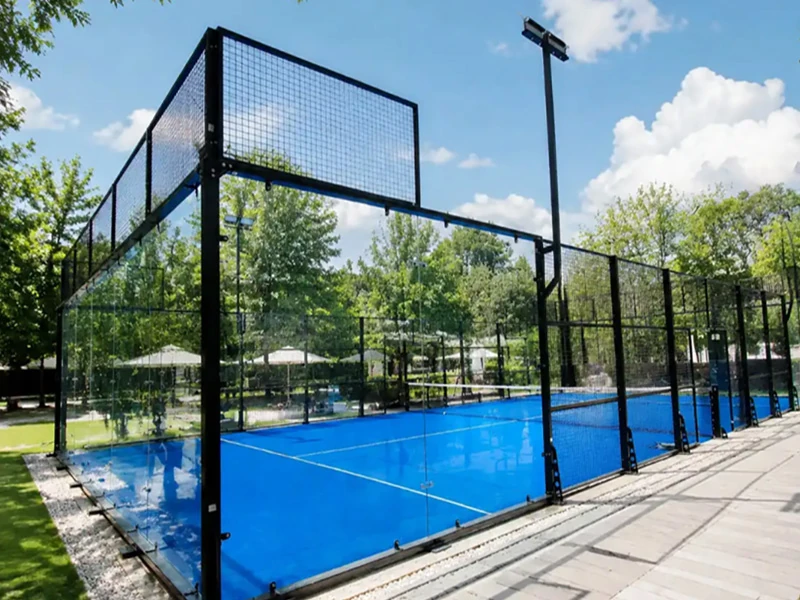
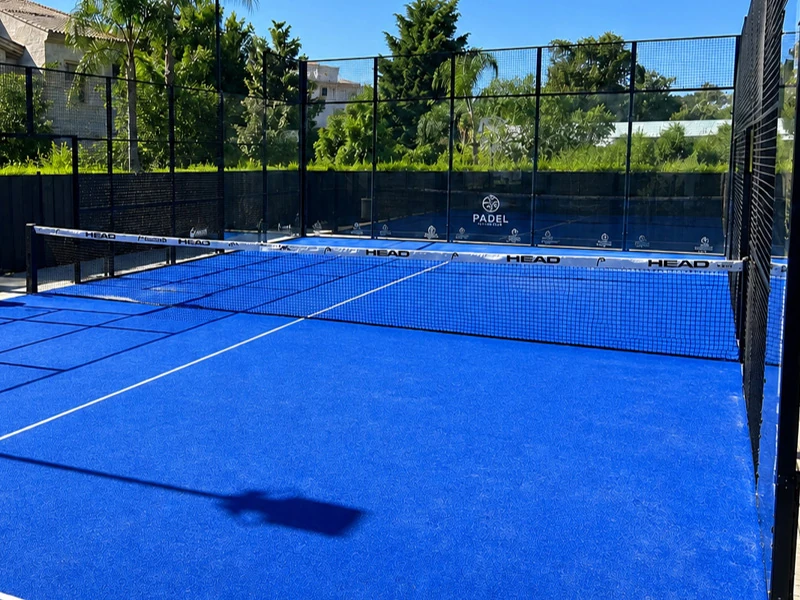
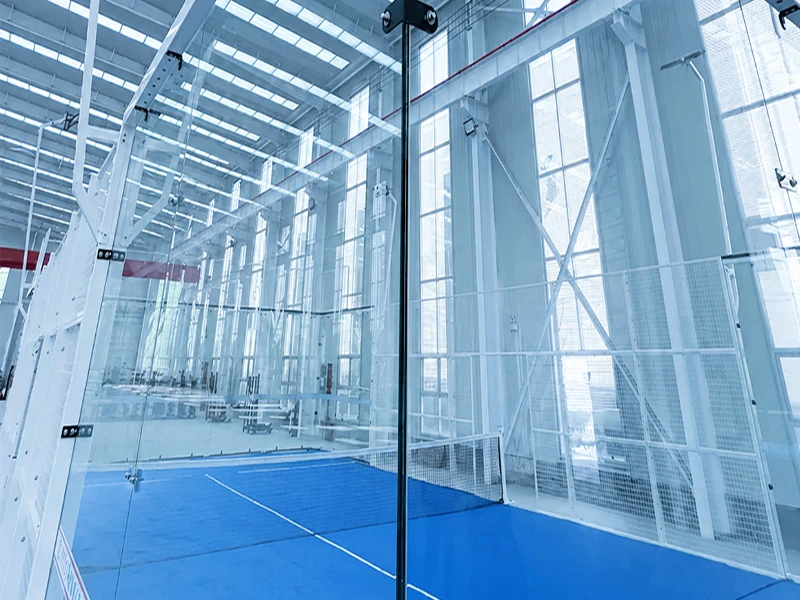
A padel court is much smaller than a regular tennis court and has glass walls on all sides, which naturally brings the players closer together. You don’t need to shout across a wide court, and the pauses between rallies don’t create a sense of distance. The atmosphere is more like a small social space than the open court of a traditional tennis court. Because of the closer physical proximity, people are more likely to connect psychologically.
3. Longer Rallies, Beginner-Friendly
The slower ball speed, racket design, and court layout of padel create a higher margin for error. The ball is easier to return, and rallies last much longer. As a result, even a complete beginner can have a good experience, feel involved, and spend less time just picking up balls. In traditional tennis, a large skill gap often leads to a beginner being crushed by serves. In padel, consistent interaction is more effective at building connections than technical superiority.
4. Glass Walls Add Drama
Padel allows players to use the padel glass walls for rebounds, which creates many high-energy moments of unexpected saves or funny, lucky shots. These moments are not only entertaining to watch but also generate emotional resonance among players and spectators. A miraculous save or a lucky winner creates instant joy and lasting memories — and that shared emotion is what fuels social connection.
5. Low Entry Barrier, High Ceiling
Padel has a unique balance: you can pick it up in 30 minutes, yet there is enough technical depth to keep you improving for years. This makes it perfect for coworker gatherings, neighborhood games, couples, friend groups, and even business networking. A large skill gap doesn’t ruin the game. In traditional tennis, a beginner and an intermediate player can hardly enjoy a match together, but in padel, everyone can still have back-and-forth rallies.
6. The Influence of Club Culture in Europe and Latin America
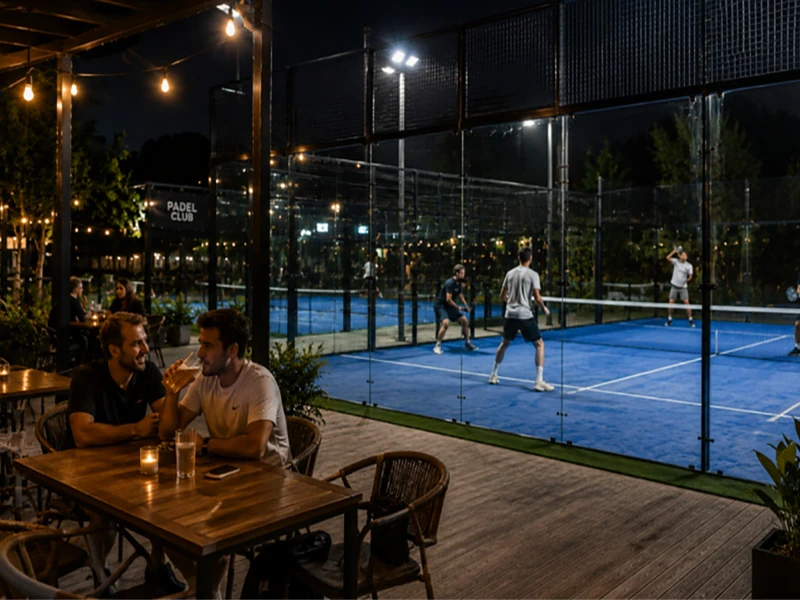
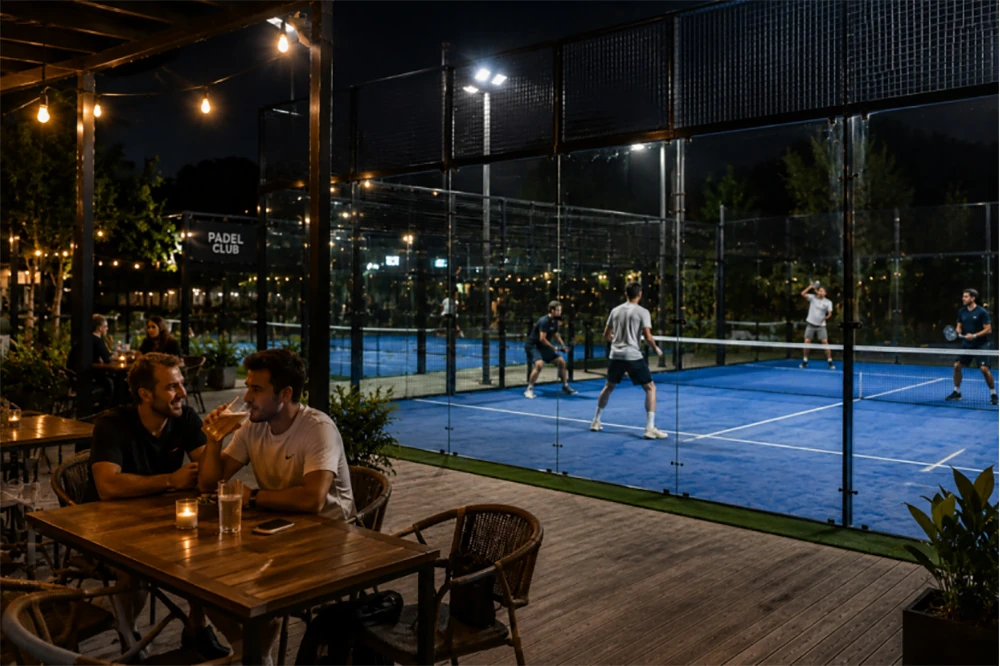
In places like Spain and Argentina, padel is a popular after-work social activity. Many padel clubs have bars, cafes, and social areas, naturally blending drinking, chatting, and light exercise. Therefore, they resemble sports-oriented social clubs.
7. Waiting Time Naturally Creates Social Interaction
Only four people can play on a court at a time, but in reality, many more will rotate in and out. A typical match lasts 60 to 90 minutes, with others watching or waiting on the sidelines. This naturally creates a state of “semi-participation”—watching others play, forming temporary teams, chatting off the court, and gathering after matches. And this is highly effective for building weak ties: you may not have played with everyone, but you’ve already talked with many.
8. Conclusion
Padel tennis is more social than traditional tennis because its design encourages interaction rather than just competition. The smaller court, doubles-only format, longer rallies, dramatic glass-wall rebounds, low barrier to entry, and deep-rooted club culture all come together to make padel tennis “the easiest racket sport for making friends.” If you are still spending your time chasing balls alone, try padel.
9. FAQ
1. Why is it called “padel tennis“?
Because it originates from the tennis system but also blends elements of tennis, squash, and platform tennis. Many people now simply call it “padel,” as it has developed into an independent sport.
2. Which is more tiring: padel or tennis?
Many assume tennis is always more tiring. Tennis involves more explosive movement, and singles play is highly demanding. However, padel requires constant small steps and sustained, high-frequency reactions. High-level padel is also very tiring.
3. Why do entrepreneurs prefer padel?
Because padel has low networking costs, high interaction frequency, and good time control. It is perfect for after-work socializing and business networking, making it easier to build stable customer bases and generate additional revenue.
4. Why are many professional tennis players starting to play padel?
The rules are similar, so it is easy to pick up. But padel is more relaxed, offers a better social experience, is very age-friendly, and carries a lower risk of injury. That is why many retired tennis players make a long-term switch to padel.