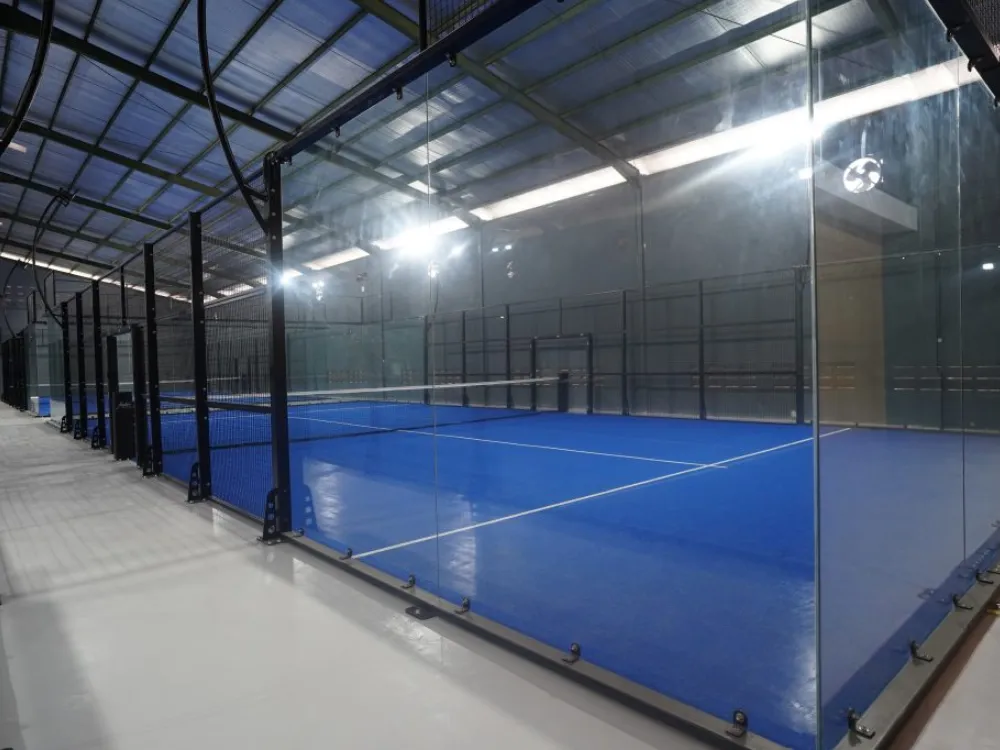
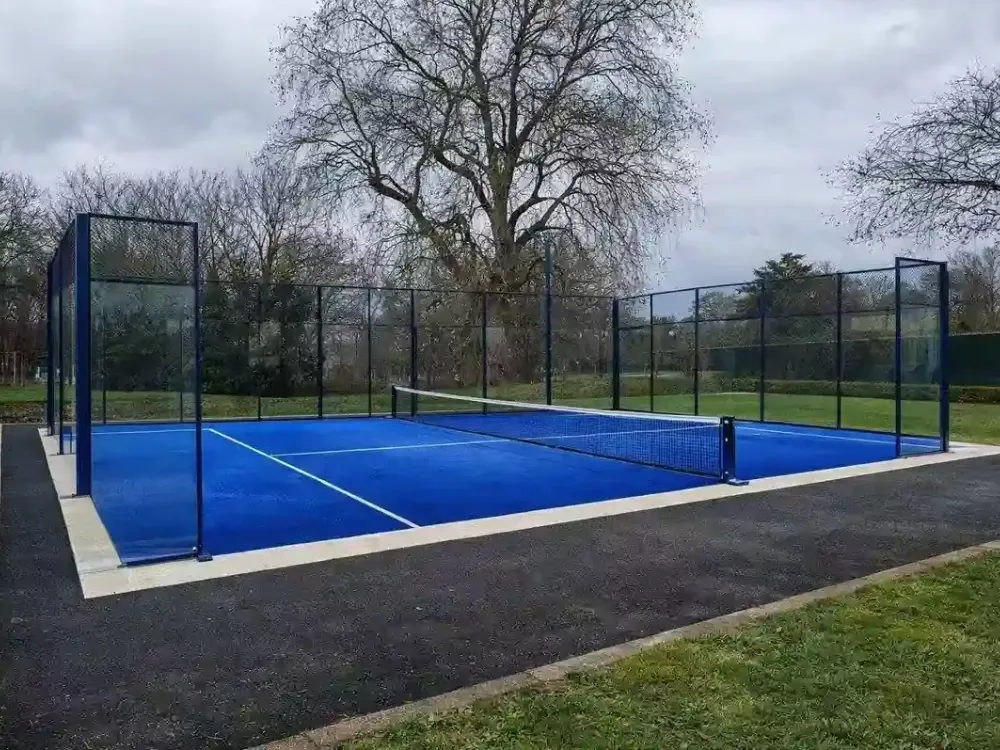
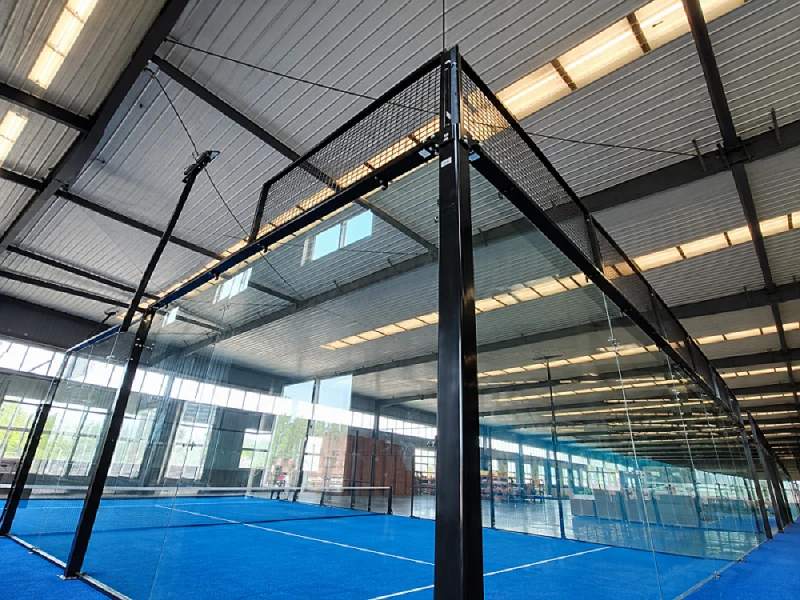
A panoramic vs classic padel court choice starts with the proposed layout and your venue’s needs. Compare the actual models for viewing positions, site suitability, supply scope, and care requirements before deciding which offer fits.
An open viewing arrangement may matter for a spectator area. A different frame layout may suit another project brief. Neither name alone tells you which system is safer, cheaper to maintain, or quicker to pay back. Link each feature to a need in your brief and a file you can check.
Key takeaways
- Compare current model drawings, not a generic definition of panoramic or classic.
- Keep panoramic and super panoramic configurations separate when reviewing pillar positions.
- Check site design and installation responsibilities for either system.
- Compare quotations with the same supply and delivery boundaries.
- Request maintenance, replacement-part, and warranty information before choosing.
Preparing a panoramic vs classic padel court shortlist? Send PEDI your project brief with the location, court count, site information, and viewing priorities. Request model information and a defined equipment scope for each option under review.
Panoramic vs classic padel court: The practical difference
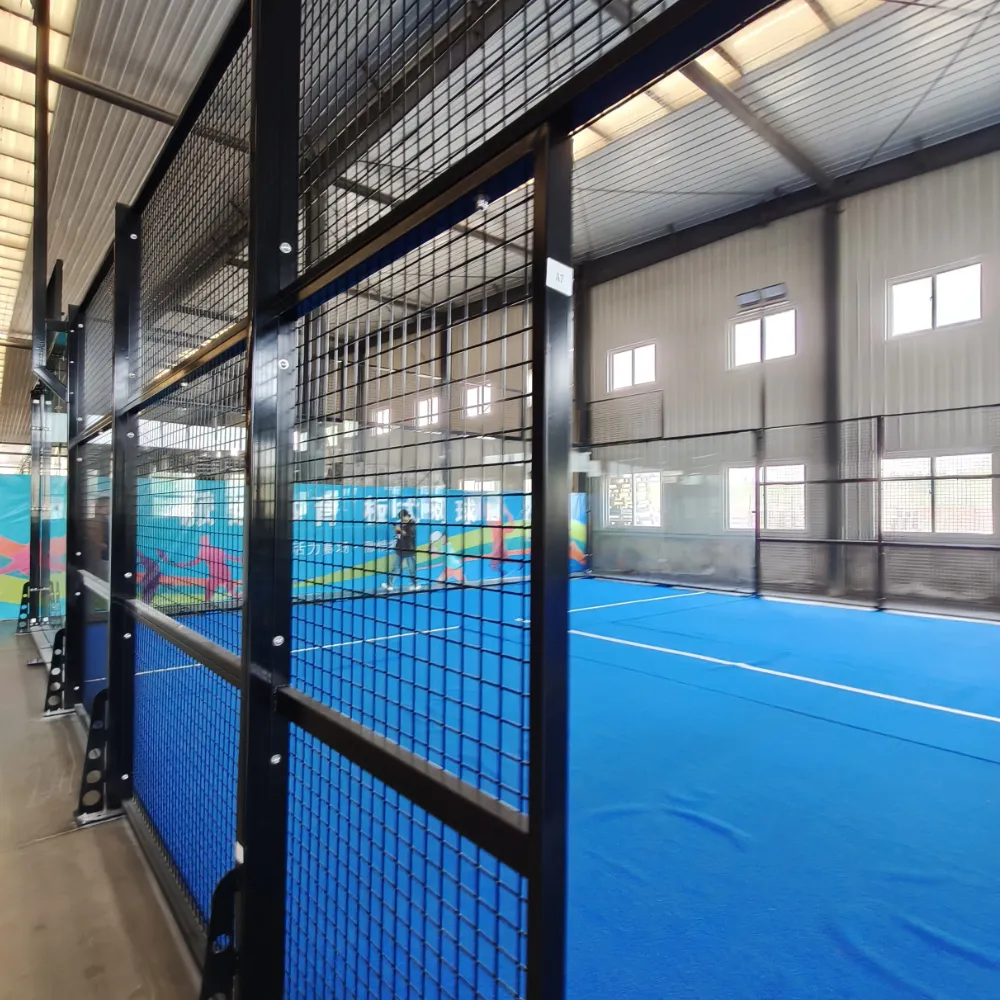
Start with the two models being offered
For this comparison, PEDI’s PC001 panoramic court and PC003 classic court provide the product starting points. Request the current configuration and drawings for each. Use those files to compare where glass, posts, mesh, and other parts sit.
The PC001 product page describes a panoramic back-wall arrangement that retains corner posts. The PC003 is presented as a classic court with posts between glass panels. Check those model descriptions against the proposed drawings. Don’t assume every supplier uses the names in the same way.
PEDI also lists a PC002 super panoramic court with a no-corner-post description. Keep it separate from PC001. If a proposal uses panoramic, super panoramic, or another label, ask the supplier to identify the exact model and layout.
Avoid turning names into performance grades
A panoramic vs classic padel court comparison should not assign durability or safety from the name alone. Ask for the relevant system information and have the responsible team assess it for the location. Do not infer structural load paths or glass replacement methods from a brochure image.
The FIP Rules of Padel provide a primary reference for playing requirements. They do not rank panoramic and classic systems by return on investment. Keep sporting requirements distinct from the documents needed for a particular model and site.
Compare the actual model layouts and viewing needs
Put observers on the plan
For a panoramic vs classic padel court viewing review, mark where spectators, coaches, and cameras are expected to be. Add entrances, seating, and other nearby features to the venue plan. Then compare the model drawings from those positions.
Ask the supplier to show the relevant posts and enclosure arrangement. Ask what a person can see from the planned seats. A broad promise of an open view does not answer that question. Keep building columns, equipment, and other venue features in the review too.
Illustrative scenario: A hotel plans a lounge beside its proposed court. Its project lead marks the seating positions on the plan and requests the two model layouts. The team compares those views before deciding how much weight to give the panoramic option.
The scenario does not promise higher bookings or a better player result. It shows how a panoramic vs classic padel court decision can address a specific venue priority rather than a general prestige claim.
Define event requirements separately
If you plan competitions or filming, obtain the requirements for that intended use. Give them to the supplier and relevant design team. A panoramic label does not by itself establish acceptance by an event organizer or broadcaster.
Record which viewing or event needs are essential and which you would simply prefer. This helps the team compare compromises without turning a marketing description into a pass or fail criterion that nobody has defined.
Review site engineering and installation responsibilities
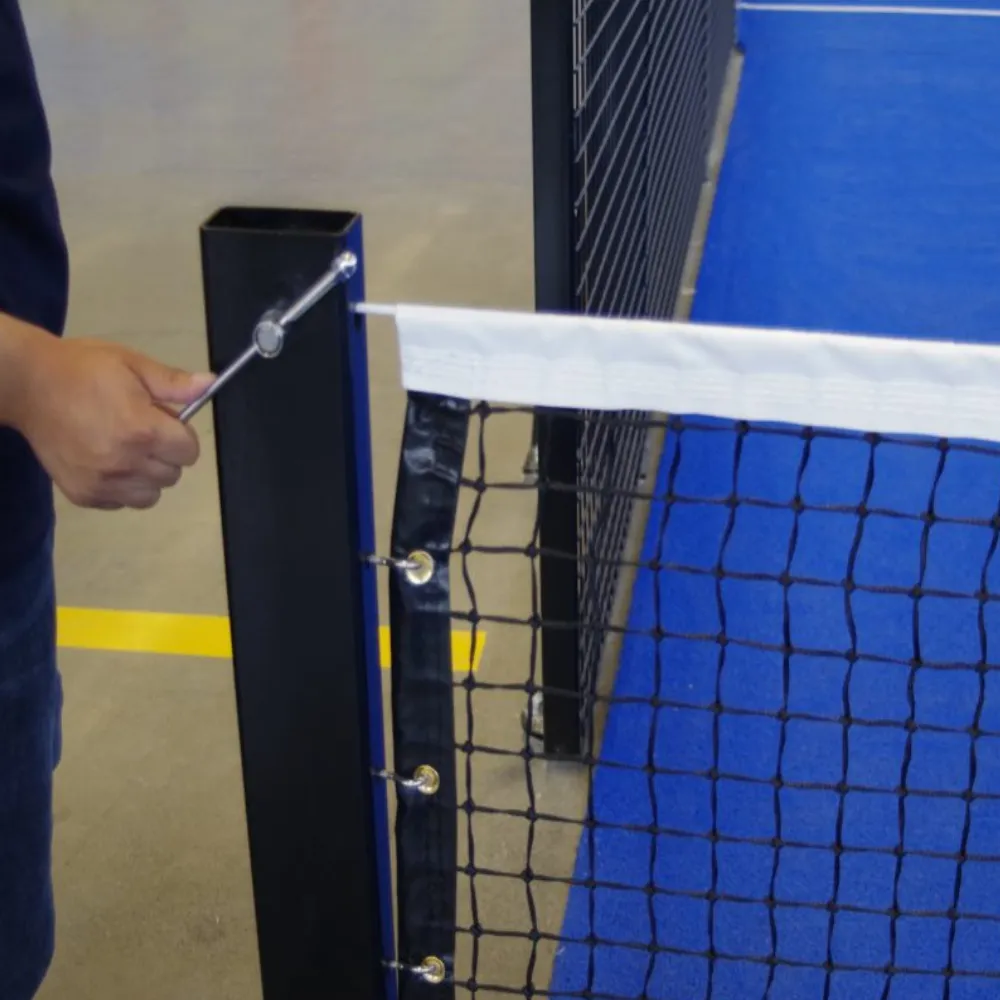
Check the same site inputs for both options
Keep the site brief consistent in your panoramic vs classic padel court review. Share the location, indoor or outdoor setting, measured plan, existing ground information, and known access limits. Ask what each proposed model requires from the local design and construction team.
The court dimensions and site space guide separates the playing rectangle, system footprint, and wider site. Use the selected model’s drawings for the footprint. Check building clearance and nearby features with the people responsible for the venue design.
Ask the local design team to review the site conditions and the relevant system files. Do not choose a court’s wind suitability or base requirements from the terms classic or panoramic. Those decisions need the applicable model and site evidence.
For UK projects, the LTA’s court construction guidance is a national reference for project planning. Use it with advice for your own location. It is not a design specification for every international project.
Assign the work at each boundary
A panoramic vs classic padel court installation comparison needs named responsibilities. Ask who provides local design, ground works, drainage, services, handling, assembly, and checks. Confirm whether the supplier offers guidance, on-site labor, or another expressly agreed form of support.
The installation readiness and timeline guide explains why delivery and a ready site are separate milestones. Request an install plan for the proposed system. Don’t assume one design always takes less time. Keep access, crew, handling equipment, and outstanding files in the discussion.
Panoramic vs classic padel court costs: Compare the same scope
Normalize the offers before comparing totals
For a panoramic vs classic padel court cost comparison, give suppliers the same brief and delivery destination. Record the model, quantity, configuration, quotation date, currency, and validity. Ask which items are included, excluded, or awaiting local assessment.
| Cost or responsibility | Record for the panoramic offer | Record for the classic offer |
|---|---|---|
| Court equipment | Model, components, and options | Model, components, and options |
| Delivery | Named destination and transport duties | Named destination and transport duties |
| Receiving and handling | Unloading, storage, and equipment arrangements | Unloading, storage, and equipment arrangements |
| Installation | Guidance, labor, travel, and plant included | Guidance, labor, travel, and plant included |
| Local works | Design, base, drainage, and services included or separate | Design, base, drainage, and services included or separate |
| Ownership support | Maintenance instructions, parts, and written warranty | Maintenance instructions, parts, and written warranty |
Use the itemised court budget guide for the wider project cost framework. A court supply figure and a completed venue budget describe different scopes. Resolve that difference before deciding an offer is less expensive.
Illustrative scenario: A club receives two quotations, but only one identifies unloading and installation labor. The buyer asks for the missing boundaries and lists the remaining local tasks. The team compares the revised scopes rather than choosing from the original totals.
That panoramic vs classic padel court comparison may reveal different packages, not just different prices. Keep costs marked as estimates until the right person has assessed them. Avoid filling gaps with a claimed universal saving.
Keep the business forecast separate
A panoramic vs classic padel court choice does not establish a payback period. Any financial model needs its own supported assumptions about completed project cost, bookings, rates, operating expenses, and funding. The court name cannot supply those inputs.
Viewing preferences may inform your venue brief, but do not assume they guarantee a price premium. Likewise, do not assume classic courts always allow more courts on the same budget. Use the actual layout, quotations, and business assumptions for those decisions.
Check maintenance, replacement parts, and warranty terms
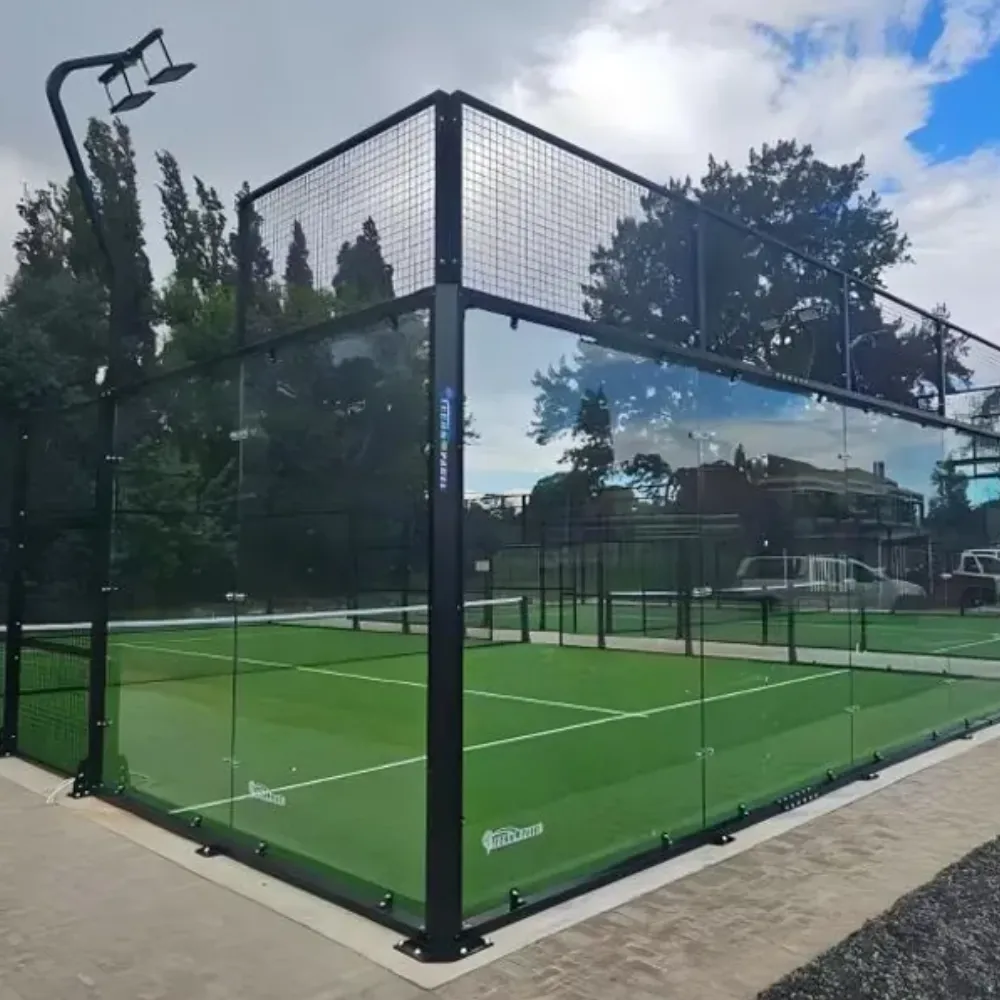
Ask what a repair would involve
For a panoramic vs classic padel court maintenance review, request the current care instructions and replacement-part process for each model. Ask how a damaged or different part is identified, reported, and assessed. Keep part codes with the final equipment list.
Glass replacement depends on the system and its approved work method. Ask who performs it, which handling arrangements are needed, and how the work is checked. A general comparison should not become instructions for removing a panel or altering its supports.
If maintenance access or local service availability is a priority, put it in the enquiry. Request a clear response for both configurations. Do not assign lower costs or less downtime to one category without relevant terms and evidence.
Compare written support conditions
Your panoramic vs classic padel court warranty comparison should identify covered components, conditions, exclusions, and the reporting process. Ask which duties sit with the supplier, installer, and owner. Clarify how parts, investigation, travel, and labor are handled where relevant to the offer.
Use the court quality and inspection guide to plan the records needed at delivery and handover. Keep quality evidence separate from visual style. A familiar appearance does not establish the condition or suitability of a supplied system.
Illustrative scenario: A venue has a local maintenance team but no appointed specialist for glass work. Before ordering, its buyer asks each supplier how issues are assessed and who can carry out the relevant repair. The answer becomes part of the support comparison.
This example does not identify a maintenance winner. It makes a panoramic vs classic padel court service question concrete before the owner needs to resolve it during operation.
Build your decision checklist and request model information
Give each criterion a priority and an evidence status
Use the following panoramic vs classic padel court checklist to record your decision. Mark which needs are essential, which are preferences, and which remain unanswered. Ask a named person to review each required item.
| Decision item | PC001 evidence to request | PC003 evidence to request | Project note to complete |
|---|---|---|---|
| Viewing layout | Current plan showing relevant glass and posts | Current plan showing relevant glass and posts | Observer positions and priority |
| Site fit | Model footprint and information for local review | Model footprint and information for local review | Site reviewer and open questions |
| Installation | Applicable manual and agreed support scope | Applicable manual and agreed support scope | Local crew and readiness inputs |
| Cost boundary | Dated proposal with inclusions and exclusions | Dated proposal with inclusions and exclusions | Unpriced or provisional tasks |
| Care and repairs | Care file and part-replacement process | Care file and part-replacement process | Local support arrangements |
| Warranty | Written component coverage and conditions | Written component coverage and conditions | Items needing clarification |
Do not treat an unanswered item as a failure or an automatic pass. Ask what evidence is still needed and which decision depends on it. For broader supplier due diligence, use the manufacturer selection checklist.
Keep a short decision record with the date, model files reviewed, and reasons for the choice. If your panoramic vs classic padel court shortlist changes, check which earlier answers still apply. A new layout, support offer, or delivery scope may need a fresh review.
Before accepting the order, ask the team to close the items that matter to that decision. Keep later tasks visible with their owners and due dates. When a file is revised, mark which version it replaces and share it with the people whose work depends on it. This gives the next team a clear starting point.
Turn the comparison into a clear enquiry
Summarize your panoramic vs classic padel court priorities in the project brief. Include the country, venue type, court count, site plan, viewing needs, appointed local roles, and proposed delivery point. Mark unknown conditions and target dates honestly.
Then request model information and an equipment proposal from PEDI. Ask for the configuration, relevant documents, supply boundary, and support terms for the options under review. A useful panoramic vs classic padel court decision is one your team can explain from the brief, evidence, and agreed responsibilities.
Frequently asked questions
What is the main panoramic vs classic padel court difference?
Compare the actual enclosure and frame layouts, particularly where posts sit relative to the glass and viewing positions. Product names can cover different configurations. Request current drawings for the models being offered before deciding how those differences affect your venue.
Is panoramic the same as super panoramic?
Do not assume so. PEDI presents PC001 panoramic and PC002 super panoramic separately, with different corner-post descriptions. Ask which model a proposal covers and confirm the supplied arrangement in the drawings.
Is a classic court always cheaper to maintain?
Not enough information follows from the category name alone. Compare model-specific care tasks, parts, repair methods, local support, and warranty conditions. Request relevant costs if maintenance is a deciding factor.
Which court gives a faster return on investment?
Neither label establishes the answer. A panoramic vs classic padel court financial comparison needs supported project costs and operating assumptions. Keep that forecast separate from a general design comparison.
Can either type be considered for an outdoor site?
Ask the supplier and responsible local designer to assess the proposed system for the location. Share the relevant site information and obtain the required model documents. Do not use visual style as a substitute for that review.
What should I send when asking for a comparison quote?
Send the location, quantity, venue brief, available site plan, preferred models, viewing priorities, and delivery point. Name the local team and the work you want priced. This gives the supplier a clearer basis for a panoramic vs classic padel court response.